
Beyond Logging Hours: How to Make Every Time-Building Flight More Valuable
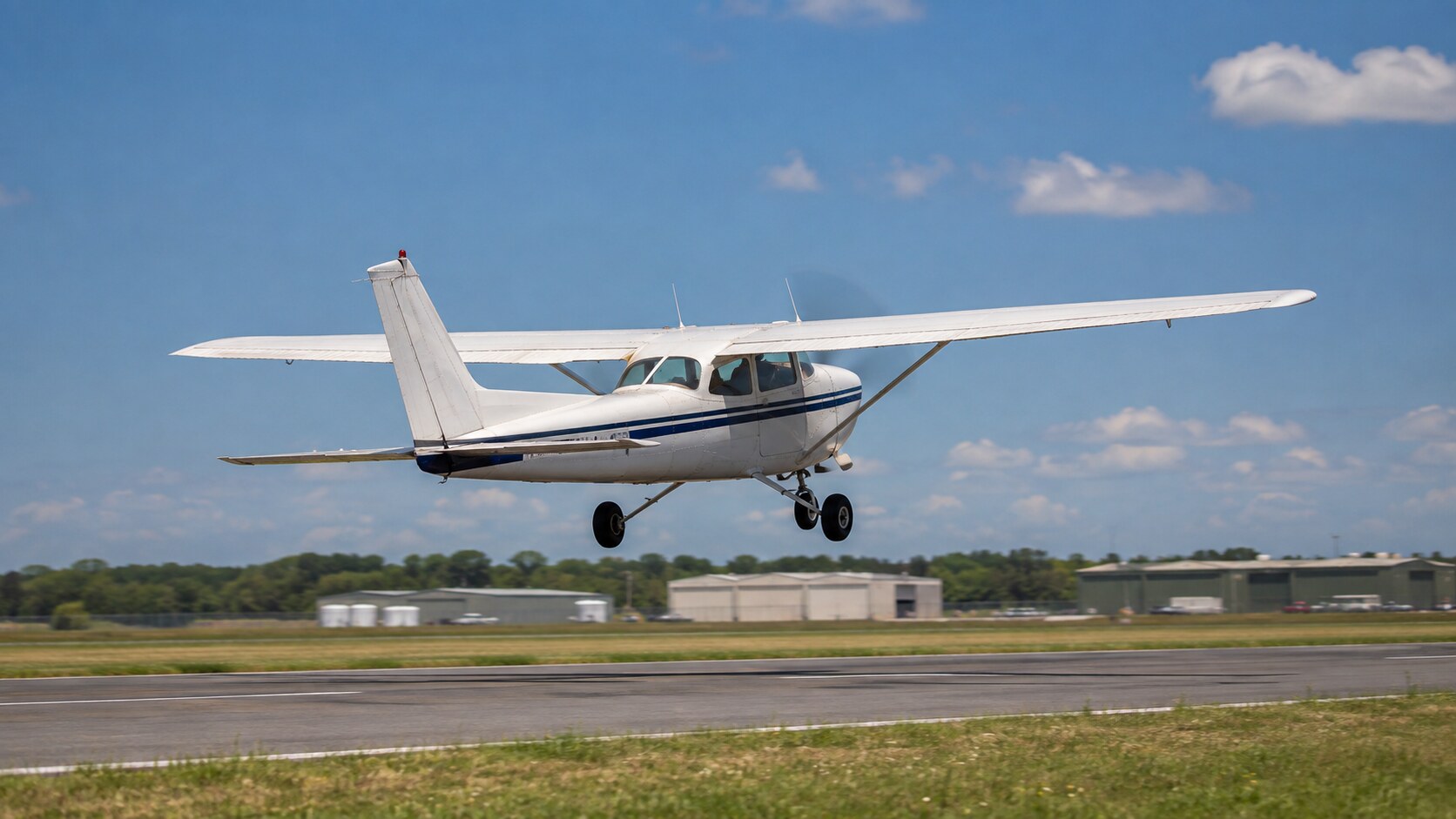
Time building is often described as a way to increase the number of hours in a pilot’s logbook. Logging the required experience may be an important goal, but the value of a flight does not have to be measured only by its duration.
With thoughtful planning, a time-building flight can also provide an opportunity to improve preparation, communication, situational awareness, and decision-making. The aim is not to make every flight unnecessarily difficult. It is to give each flight a clear purpose.
Set a Simple Goal
Before departure, choose one realistic goal for the flight. You might focus on improving route preparation, becoming more familiar with an airport, or making your cockpit routine more organized.
Keeping the goal simple makes it easier to stay focused. A single flight does not need to cover several new skills at once.
Any activity must remain within your certificate privileges, experience, aircraft limitations, and the conditions of the flight. If you are unfamiliar with a procedure or environment, seek guidance from a qualified flight instructor.
Avoid Repeating Every Flight
Flying a familiar route can be useful, but repeating exactly the same flight may limit the range of situations you experience.
When appropriate, consider planning a different destination or using another suitable route. Even a small change can encourage you to review new airport information, think about airspace, and prepare for a less familiar arrival.
A new destination should not be selected only because it appears more challenging. Choose routes that are suitable for your experience and review the plan carefully before departure.
Take Planning Seriously
The flight itself is only one part of time building. Route selection, weather review, fuel planning, aircraft performance, airport information, and possible alternatives are also part of the experience.
Avoid treating planning as a formality simply because the flight is intended to add hours. Take enough time to understand the route and identify anything that may require additional attention.
If the conditions do not suit the plan, changing the route, delaying the flight, or not departing can be the appropriate decision.
Review the Flight Afterwards
After landing, take a few minutes to think about what went well and what could be improved.
You can write down brief notes about planning, workload, communication, or any moment that caused uncertainty. These notes can help you choose a useful focus for a future flight.
When you have questions about your performance or decisions, discuss them with a flight instructor instead of making assumptions.
Final Thoughts
Effective time building is not about adding unnecessary complexity to every flight. It is about approaching familiar flights with preparation, attention, and a clear learning goal.
Different routes and destinations can offer useful experience, but they should always be selected with safety and personal limits in mind. By planning carefully and reviewing each flight afterwards, pilots can make their logged hours more meaningful as well as more numerous.
Related Articles
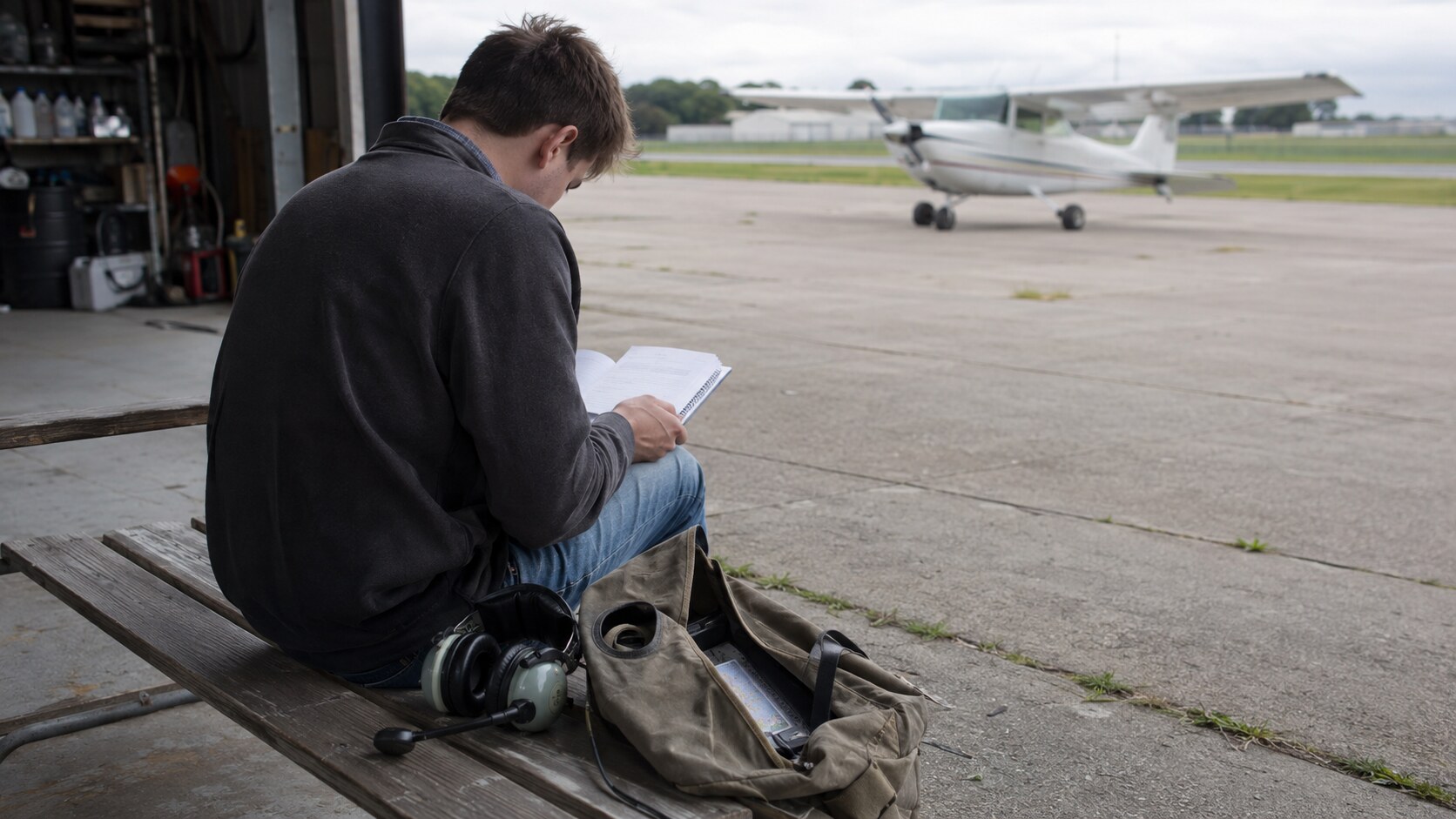
Student Pilot Checklist: What to Bring to Every Flight Lesson
A practical checklist covering the documents, equipment, planning tools, and personal essentials every student pilot should bring to a flight lesson.

How to Prepare Your Aircraft for Sale: A Complete Seller’s Checklist
Learn how to prepare, price, photograph, and list your aircraft to attract serious buyers and create a smoother, more reliable sales process.