
Student Pilot Checklist: What to Bring to Every Flight Lesson
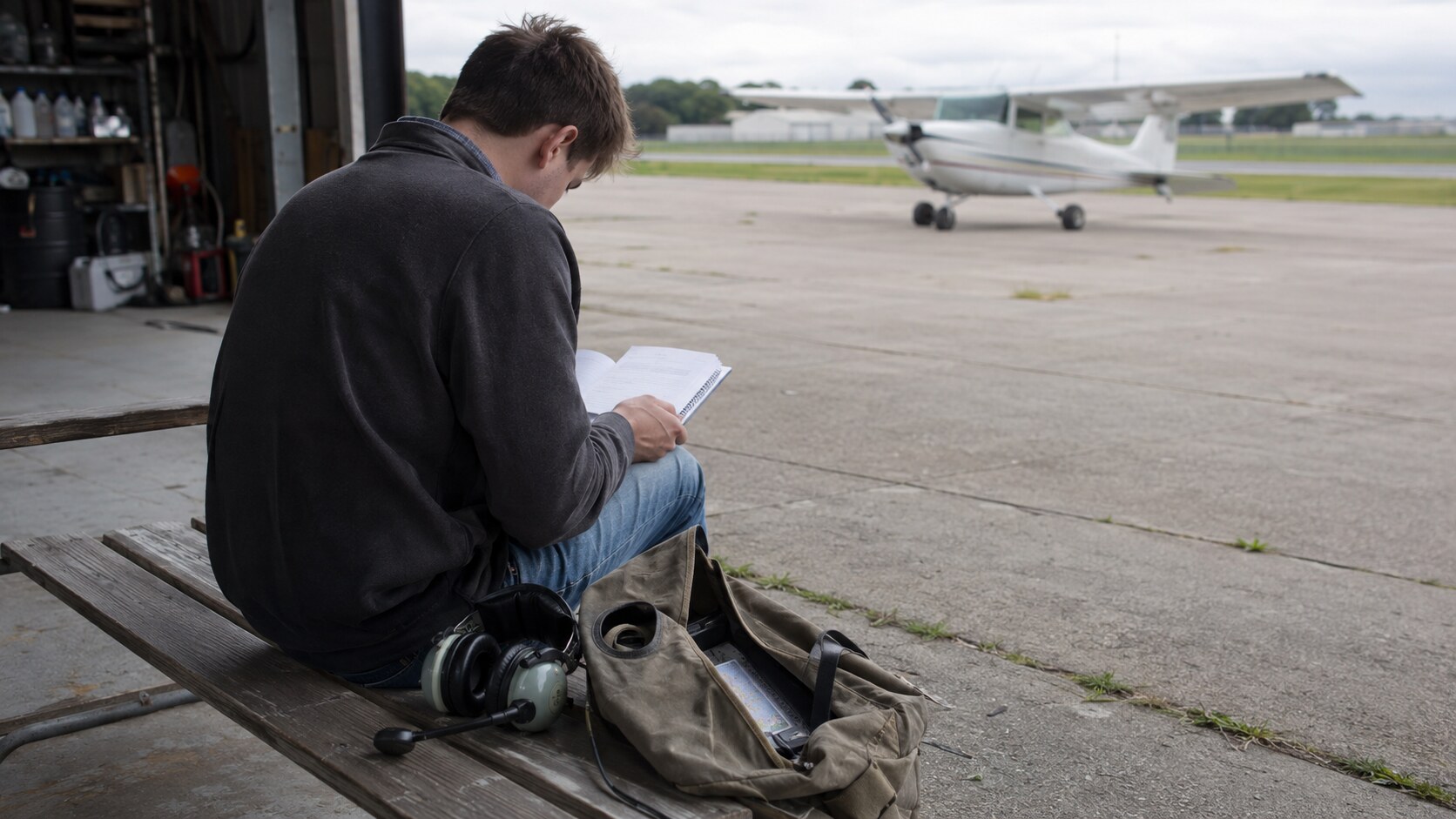
Every flight lesson is an opportunity to develop your knowledge, confidence, and decision-making skills. A simple preparation routine can help you arrive at the airport feeling organized and ready to learn.
The exact equipment needed by a student pilot depends on the aircraft, lesson, flight school, and local requirements. Instead of filling your bag with unnecessary items, focus on what your instructor expects you to bring.
Confirm What You Need for the Lesson
Before leaving for the airport, check the lesson plan and confirm which documents and materials are required. These may change as you progress from introductory lessons to solo or navigation training.
Keep any requested documents together in a secure and accessible part of your bag. If you are unsure whether you need a certificate, medical document, logbook, or another record, ask your instructor or flight school rather than relying on a general online checklist.
Pack the Essential Equipment
A basic flight bag does not need to be complicated. Your instructor may ask you to bring a headset, the appropriate aircraft checklist, a notebook, writing tools, and any planning materials needed for the lesson.
If you use a tablet or another electronic device, charge it before arriving. Organize cables, batteries, and small items so they remain secure and do not create clutter inside the cockpit.
Always use the checklist provided or approved for the aircraft you are flying. Do not assume that a checklist for a similar aircraft is suitable.
Review the Lesson in Advance
Ask your instructor what will be covered during the next flight. Reviewing the relevant procedures and lesson objectives beforehand can leave more time for practical instruction at the airport.
Write down anything you do not understand. Bringing a few focused questions to the preflight briefing can make the lesson more productive and help your instructor identify areas that need additional explanation.
Check Your Personal Readiness
Before every lesson, consider whether you feel physically and mentally ready to fly. Illness, medication, fatigue, stress, or difficulty concentrating may affect your performance.
Tell your instructor honestly if you do not feel well or if something may interfere with your ability to learn safely. Your instructor can help determine the appropriate next step.
Arrive Organized, Not Rushed
Allow enough time to meet your instructor, organize your equipment, and complete the planned preparation without rushing. The appropriate arrival time depends on the flight school and the type of lesson, so confirm it in advance.
After the flight, place your equipment back in the same sections of your bag. Charge electronic devices, replace used supplies, and record any notes or questions while the lesson is still fresh in your mind.
Final Thoughts
Being prepared does not mean carrying every aviation accessory available. It means understanding the lesson, bringing the requested equipment, and arriving ready to learn.
As a student pilot, developing a simple and consistent routine can make each lesson easier to manage. Let your instructor’s guidance, the aircraft, and your stage of training determine what belongs in your flight bag.
Related Articles
Beyond Logging Hours: How to Make Every Time-Building Flight More Valuable
Discover how clear goals, thoughtful planning, varied routes, and postflight reflection can make each time-building flight more valuable.

How to Prepare Your Aircraft for Sale: A Complete Seller’s Checklist
Learn how to prepare, price, photograph, and list your aircraft to attract serious buyers and create a smoother, more reliable sales process.