
Before You Rent an Aircraft: How to Read a Rental Listing
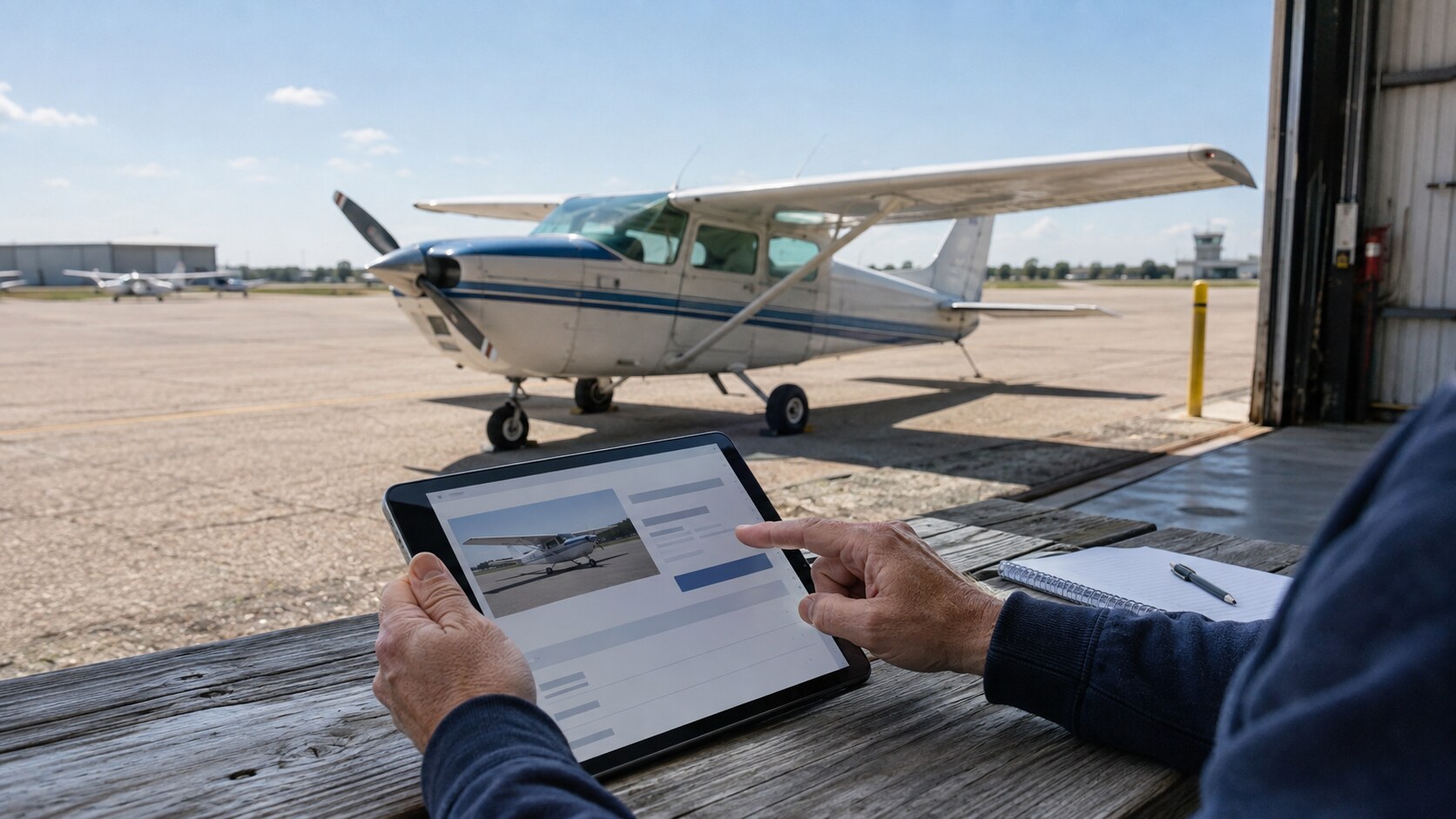
An aircraft rental listing is usually the first introduction to an available aircraft. Photographs and an hourly price may attract your attention, but they do not always provide everything you need to decide whether the aircraft suits your plans.
Before you rent an aircraft, read the complete listing and identify which details are clear, which need confirmation, and which questions should be discussed directly with the provider.
Start with the Basic Details
First, review the aircraft’s make, model, location, and general description. Confirm that the listing refers to the aircraft shown in the photographs and check whether the images appear current.
The location is especially important. An aircraft may be available in your area but based at an airport that does not suit your route or schedule. Check the listed airport before contacting the provider.
Do not make assumptions when a description is incomplete. A short listing is not necessarily unreliable, but it may require a few additional questions.
Understand the Intended Use
Some aircraft may be offered for local flights, training, time building, or longer trips. The listing should give you an idea of the type of use the provider accepts.
If your planned flight is not mentioned, ask before booking. Explain what you intend to do, where you expect to fly, and how long you may need the aircraft.
The provider can then tell you whether the aircraft and rental arrangement are suitable for that plan. Avoid treating general availability as approval for every type of flight.
Review the Pricing Information
Look for a clear explanation of how the advertised price is presented. If the listing does not explain what the rate includes, ask the provider for clarification.
You should also confirm how rental time is recorded and whether any other charges or conditions may apply to your booking. These details can differ between providers, so they should be confirmed directly rather than assumed from another rental experience.
Compare listings using the information you can verify. The lowest displayed number may not provide the clearest picture if important details are missing.
Check Availability and Requirements
An active listing does not always mean the aircraft is available for every requested date. Ask whether it is available for your preferred time and how reservations are confirmed.
The provider may also have requirements related to pilot experience, aircraft familiarity, documentation, or a checkout. These requirements are not identical for every aircraft or renter.
Provide accurate information about your qualifications and experience. The provider can then explain what is required before the rental can proceed.
Contact the Provider Before Booking
A listing should be treated as a starting point for a conversation. Before making a commitment, confirm the aircraft, location, availability, price, intended use, and applicable rental conditions.
Clear communication gives both sides an opportunity to identify misunderstandings early. Keep important details in writing so that you can review what was agreed.
Find Aircraft Rental Listings with Skye
Skye helps pilots discover aircraft listings and connect with providers. Each listing can offer useful initial information, but renters should confirm the details directly before making arrangements.
Final Thoughts
Before you rent an aircraft, take time to read more than the headline and price. Review the full description, examine the photographs, and note anything that needs clarification.
A useful rental listing should help you decide whether to continue the conversation. Careful reading and direct questions can make the next steps clearer for both the pilot and the provider.
Related Articles
Beyond Logging Hours: How to Make Every Time-Building Flight More Valuable
Discover how clear goals, thoughtful planning, varied routes, and postflight reflection can make each time-building flight more valuable.
Student Pilot Checklist: What to Bring to Every Flight Lesson
A practical checklist covering the documents, equipment, planning tools, and personal essentials every student pilot should bring to a flight lesson.