
Flight Training in Miami: Airports, Weather and Finding an Instructor
Learning to fly in Miami means year-round flying, ocean views and some of the most interesting airspace in the country. It also means planning around summer storms and busy airline traffic. Here is what to know before you start.
Training airports around Miami
- Miami Executive (TMB): southwest of the city and one of the main general aviation training airports in Miami-Dade.
- Miami-Opa Locka Executive (OPF): north of the city, with flight schools and business aviation.
- Homestead General (X51): a quieter, non-towered option to the south, useful for pattern work.
Airspace
Miami International sits in the middle of Class B airspace. Training airports operate beneath and around it, with defined routes and practice areas. A local CFI will teach you how to read the sectional, use the VFR flyways and talk to Miami Approach confidently.
Weather
Winter and spring offer the most consistent conditions. From June to September, afternoon thunderstorms are common, so morning lessons are the norm. Hurricane season runs June through November, and schools plan around active systems.
Costs
Expect aircraft rental to be the largest expense, followed by instruction. Most students in the US spend $15,000 to $20,000 for a private pilot license. See the full cost breakdown.
Tips for Miami students
- Fly at least two or three times a week to avoid relearning between lessons.
- Book early-morning slots in summer.
- Ask your instructor to include radio practice and airspace briefings from the start.
Find a flight instructor in Miami
Search flight instructors by airport on Skye, compare rates and message them before your first lesson.
Related Articles
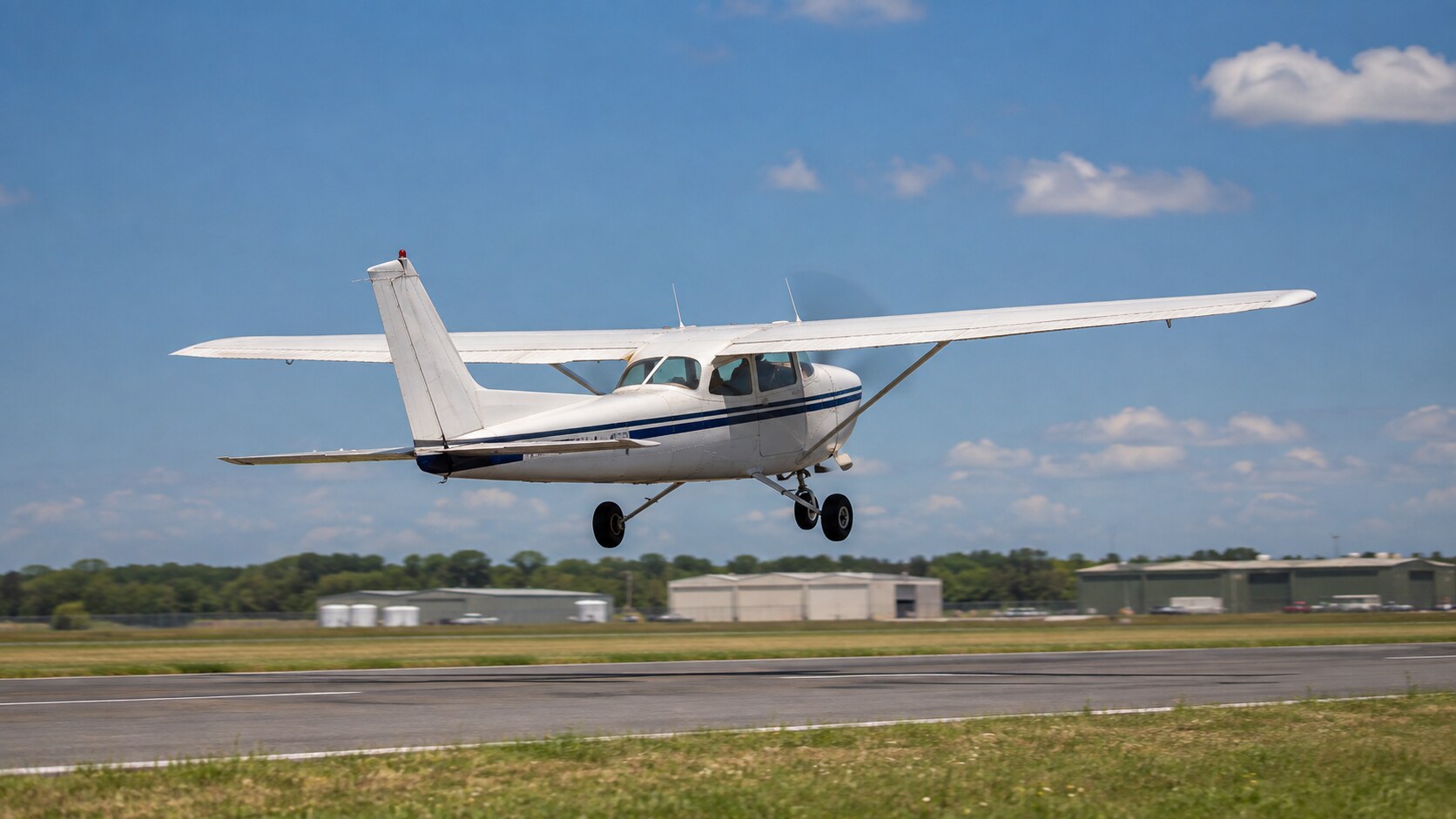
Beyond Logging Hours: How to Make Every Time-Building Flight More Valuable
Discover how clear goals, thoughtful planning, varied routes, and postflight reflection can make each time-building flight more valuable.
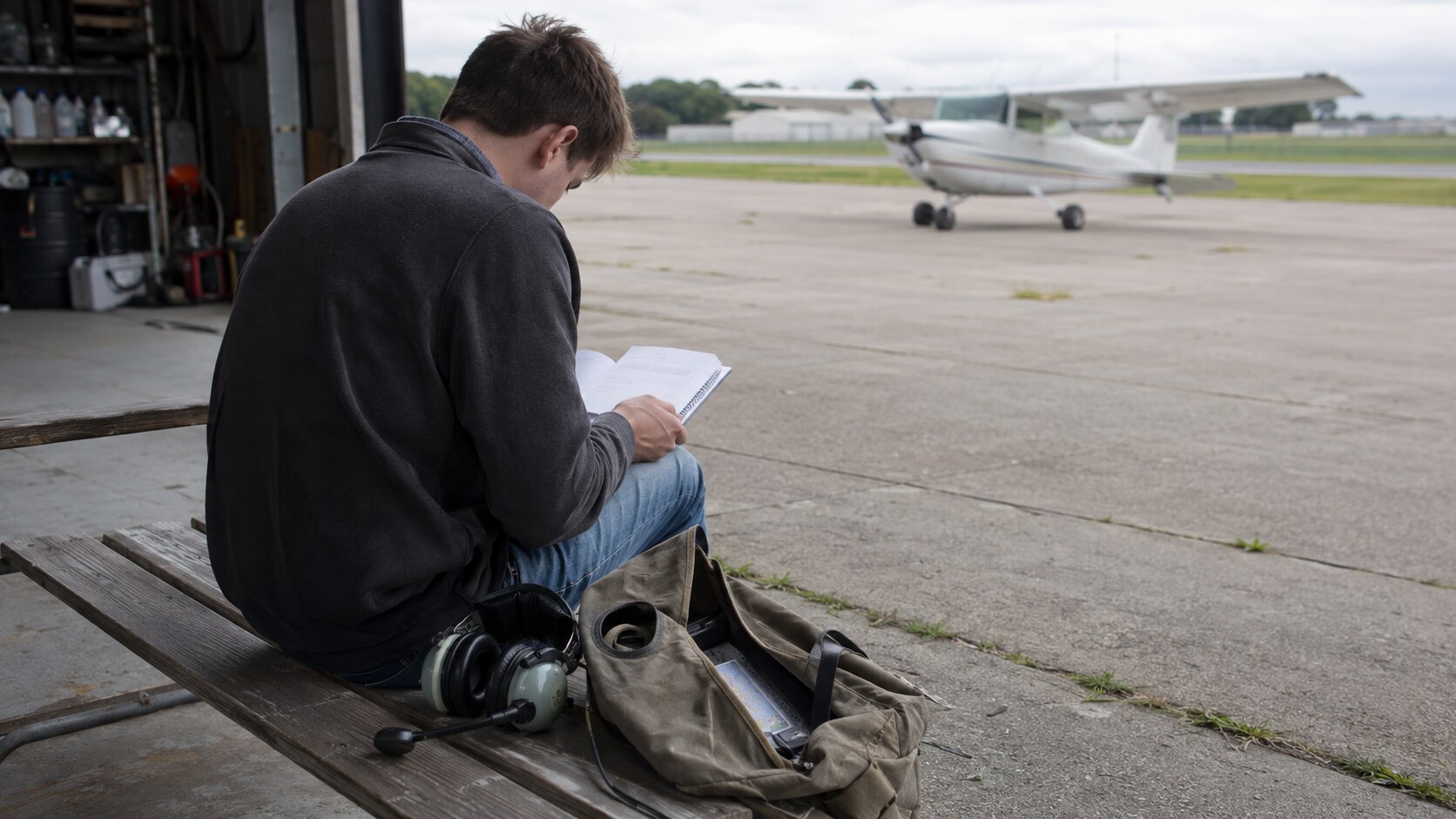
Student Pilot Checklist: What to Bring to Every Flight Lesson
A practical checklist covering the documents, equipment, planning tools, and personal essentials every student pilot should bring to a flight lesson.