
How to Rent an Airplane: Checkouts, Insurance and Costs
Once you have a pilot certificate, renting an aircraft is the most common way to keep flying. Here is how it works.
The checkout flight
Almost every rental operator requires a checkout with one of their instructors before you fly solo. Expect a short ground review of the aircraft and local procedures, followed by a flight covering maneuvers, landings and emergency procedures. Bring your pilot certificate, medical (or BasicMed documents) and logbook.
Wet vs. dry rates
- Wet rate: fuel included. The most common for trainers.
- Dry rate: fuel not included; you pay for fuel separately.
Trainers such as the Cessna 172 or Piper Warrior commonly rent for about $150–220 per hour wet in the US.
Renter's insurance
The owner's policy protects the owner, not necessarily you. Many pilots buy non-owned aircraft (renter's) insurance to cover damage they could be held responsible for. Ask the operator what their policy covers.
Common rental rules
- Recent experience requirements (for example, flown within the last 60 or 90 days).
- Daily minimums for overnight trips.
- Restrictions on night flights, grass strips or certain destinations.
Before every flight
- Check the maintenance status and any open squawks.
- Do a thorough preflight inspection.
- Record the Hobbs or tach time before and after.
Find aircraft to rent
Browse aircraft for rent on Skye by type and airport, or find a time building partner to split the cost.
Related Articles
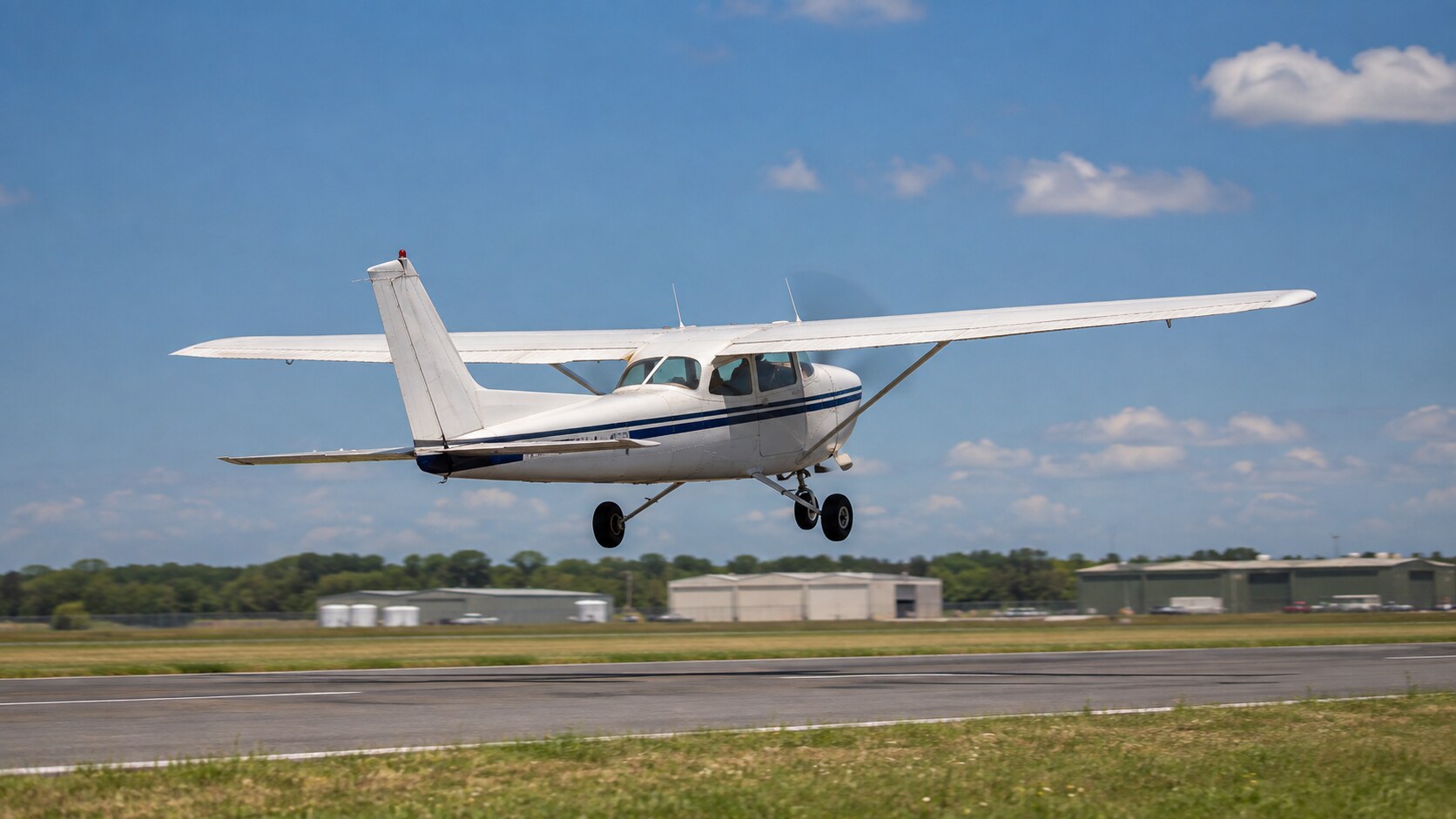
Beyond Logging Hours: How to Make Every Time-Building Flight More Valuable
Discover how clear goals, thoughtful planning, varied routes, and postflight reflection can make each time-building flight more valuable.
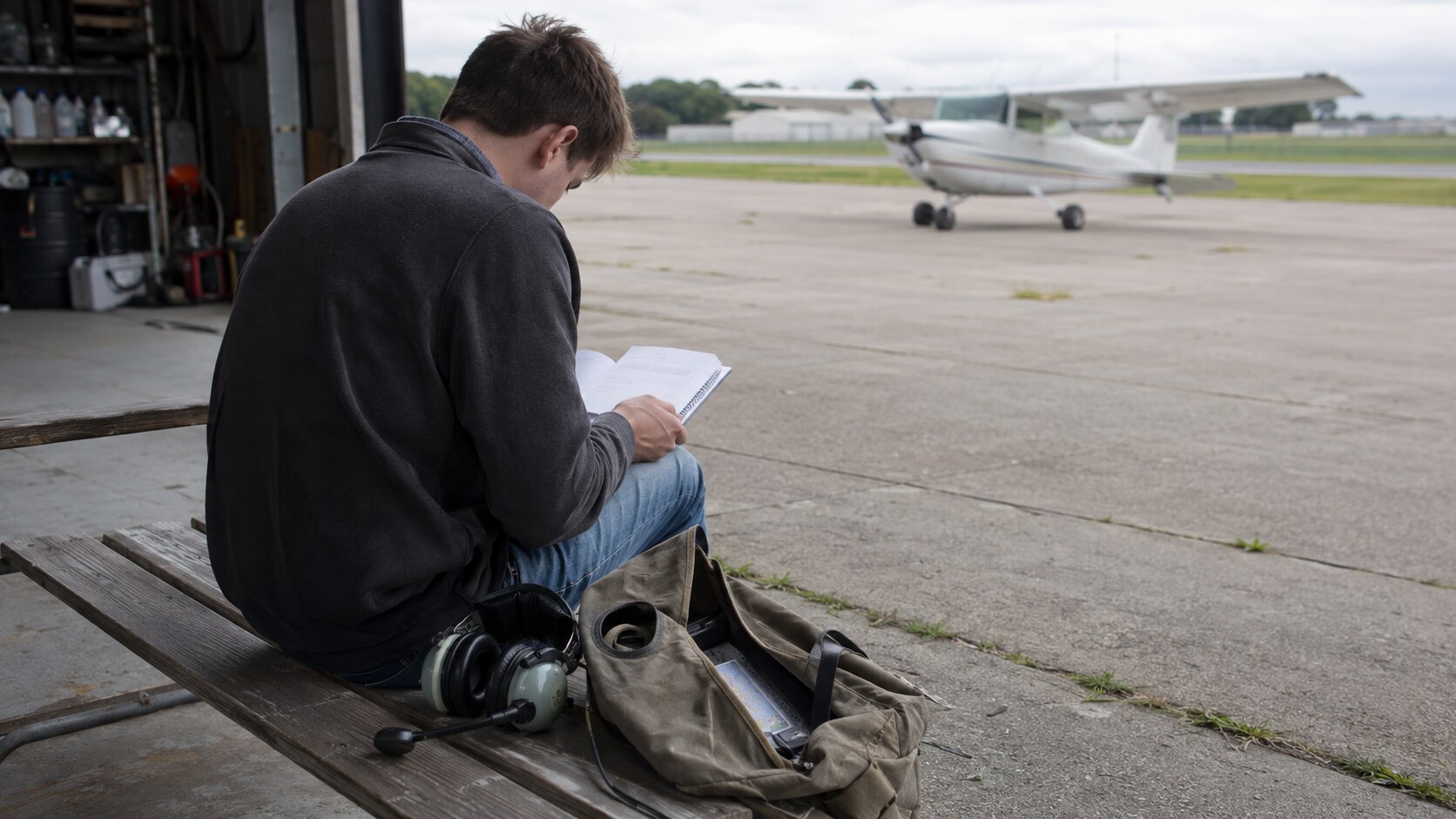
Student Pilot Checklist: What to Bring to Every Flight Lesson
A practical checklist covering the documents, equipment, planning tools, and personal essentials every student pilot should bring to a flight lesson.