
How to Stay Motivated During Flight Training
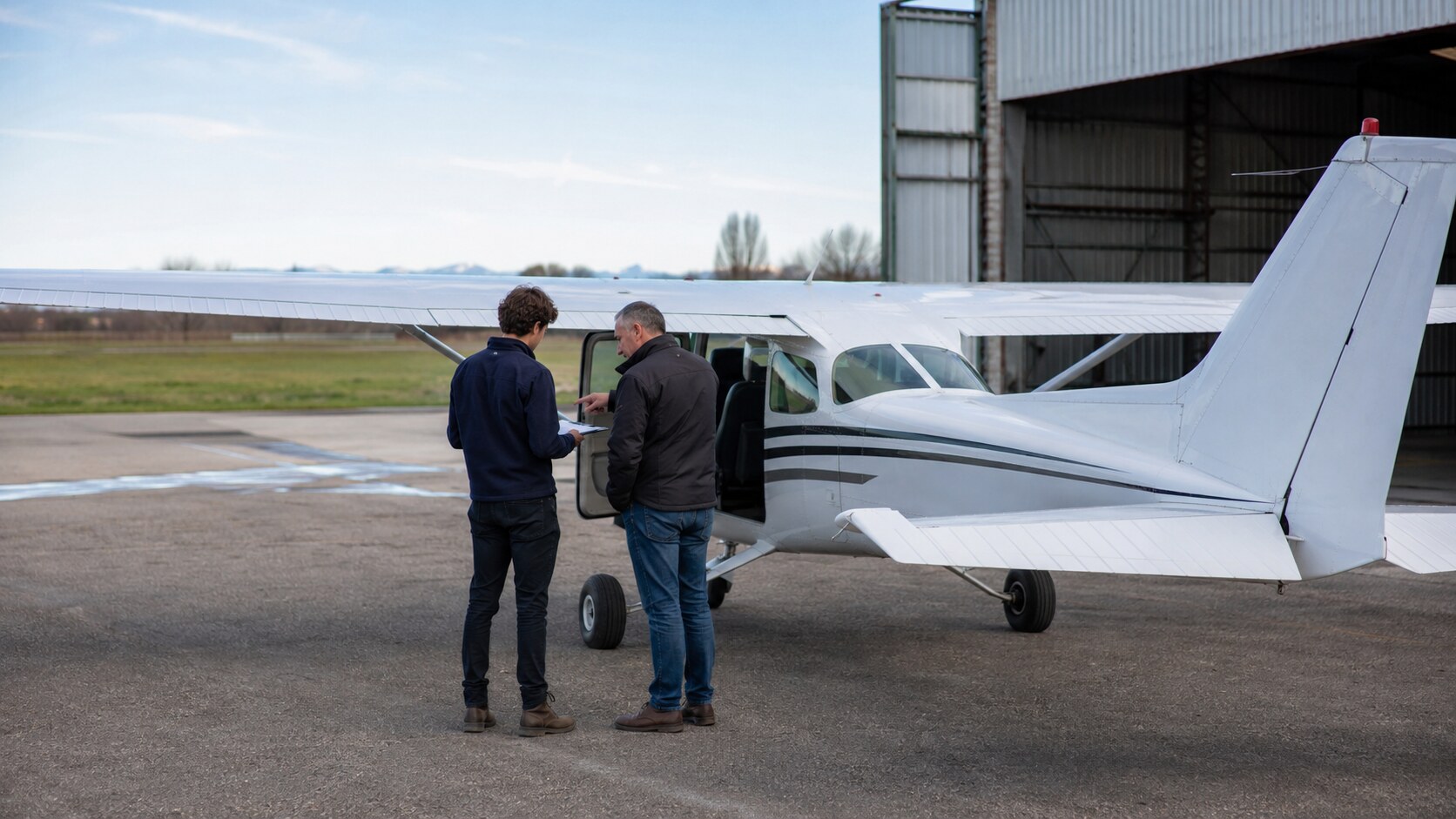
Learning to fly is an exciting goal, but flight training does not always feel exciting. Some lessons may go well, while others may leave you feeling tired, frustrated, or uncertain about your progress.
These changes are a normal part of learning a complex skill. Staying motivated does not mean feeling confident before every lesson. It means finding practical ways to continue when progress feels slower than expected.
Remember Why You Started
When training becomes difficult, return to the reason you wanted to learn to fly.
Perhaps your goal is to become a professional pilot, fly for personal travel, or experience the freedom of aviation. Write that reason down and keep it somewhere visible.
Your long-term goal can help you maintain perspective after a challenging lesson. One difficult flight does not define your ability or determine what you can achieve in the future.
Focus on Small Goals
A pilot certificate may feel like a distant goal when you are at the beginning of training. Breaking the journey into smaller steps can make progress easier to recognize.
Before each lesson, choose one clear objective. It might be improving radio communication, completing a smoother landing, following the checklist more confidently, or understanding a procedure that previously felt confusing.
You do not need to improve everything during one flight. A small improvement is still meaningful progress.
Keep a Record of Your Progress
It is easy to focus on what you cannot do yet and forget how much you have already learned.
After each lesson, write down:
- One thing that improved
- One challenge you noticed
- One question to ask your instructor
- One goal for the next lesson
Reviewing these notes can show you how your knowledge and confidence have developed. Skills that now feel routine may once have seemed difficult.
Talk to Your Flight Instructor
If you feel stuck or discouraged, speak openly with your flight instructor. Explain which parts of the training feel difficult and ask for specific feedback.
Your instructor may be able to adjust the lesson plan, explain a topic differently, or help you set more realistic short-term goals.
Clear communication is especially important when you do not understand why a lesson went poorly. Constructive feedback can turn frustration into a practical plan for improvement.
Accept That Progress Is Not Always Linear
Some lessons will feel better than others. A manoeuvre that went well last week may feel more difficult during the next flight.
Progress can be affected by many everyday factors, including tiredness, stress, lesson frequency, and the complexity of the skill being practised. A difficult day does not mean you have lost all your previous progress.
Focus on patterns over time rather than judging yourself by one flight.
Stay Connected to Aviation
Flight training is only one part of your aviation journey. Staying connected to the wider aviation community can help you remember why the experience matters to you.
You might speak with other student pilots, attend an aviation event, visit an airport, or read about different flying experiences. Sharing challenges with people who understand flight training can make the process feel less isolating.
Avoid comparing your progress too closely with someone else’s. Every student has a different schedule, background, learning style, and set of goals.
Take Breaks When Needed
Motivation can decrease when training begins to feel like constant pressure. If you are mentally or physically exhausted, a short break may help you return with better focus.
A break does not mean abandoning your goal. However, if you plan to pause your training, discuss it with your instructor so you can decide how to resume effectively.
Your wellbeing and readiness should remain more important than trying to progress as quickly as possible.
Final Thoughts
Staying motivated during flight training is not about being positive all the time. It is about remembering your purpose, recognizing small improvements, asking for support, and responding calmly to difficult lessons.
Every student pilot experiences challenges. Keep your expectations realistic, measure progress over time, and allow yourself to learn at a pace that supports both confidence and understanding.
Related Articles

Beyond Logging Hours: How to Make Every Time-Building Flight More Valuable
Discover how clear goals, thoughtful planning, varied routes, and postflight reflection can make each time-building flight more valuable.
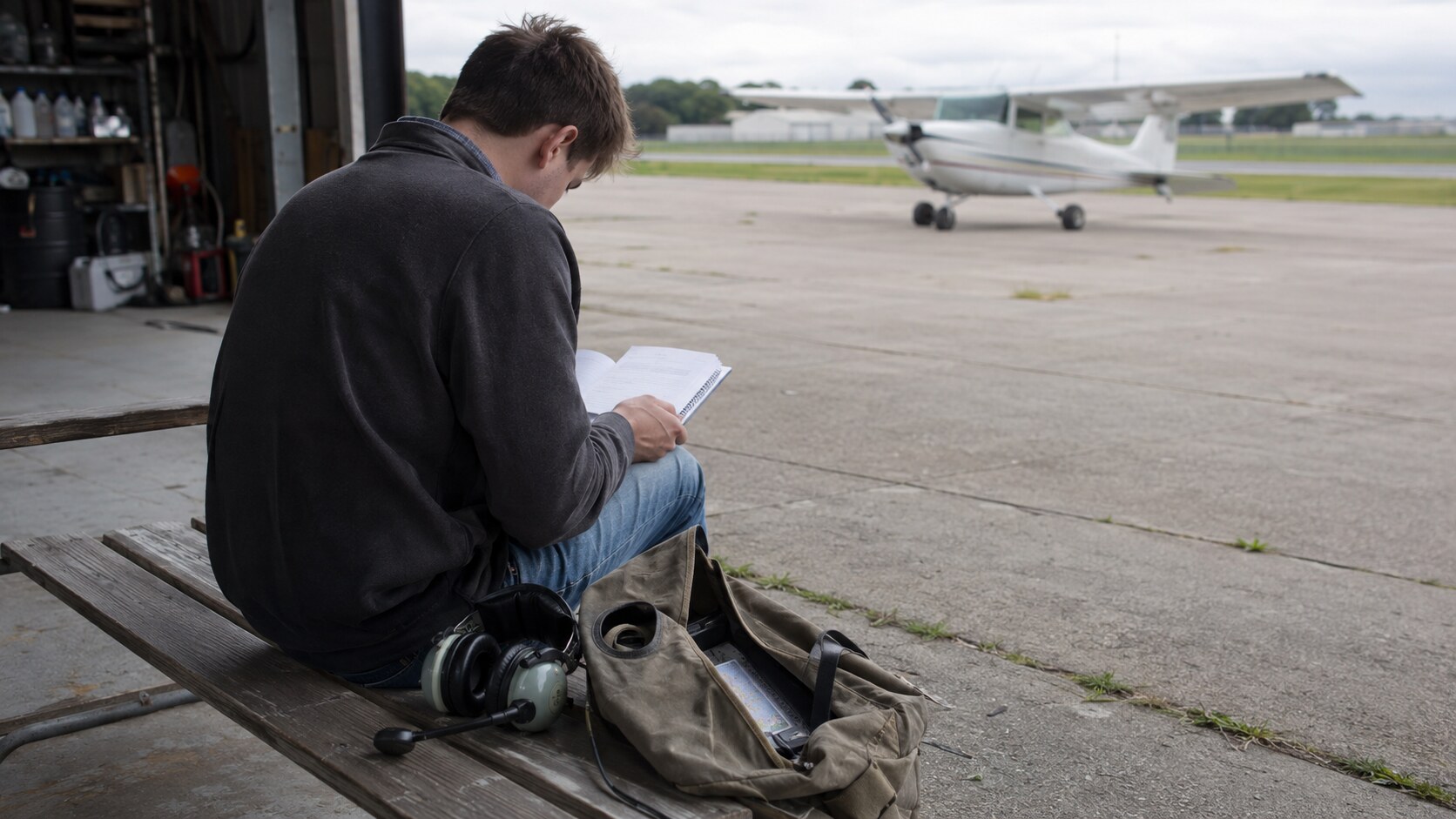
Student Pilot Checklist: What to Bring to Every Flight Lesson
A practical checklist covering the documents, equipment, planning tools, and personal essentials every student pilot should bring to a flight lesson.