
How to Track Your Flight Hours During Time Building
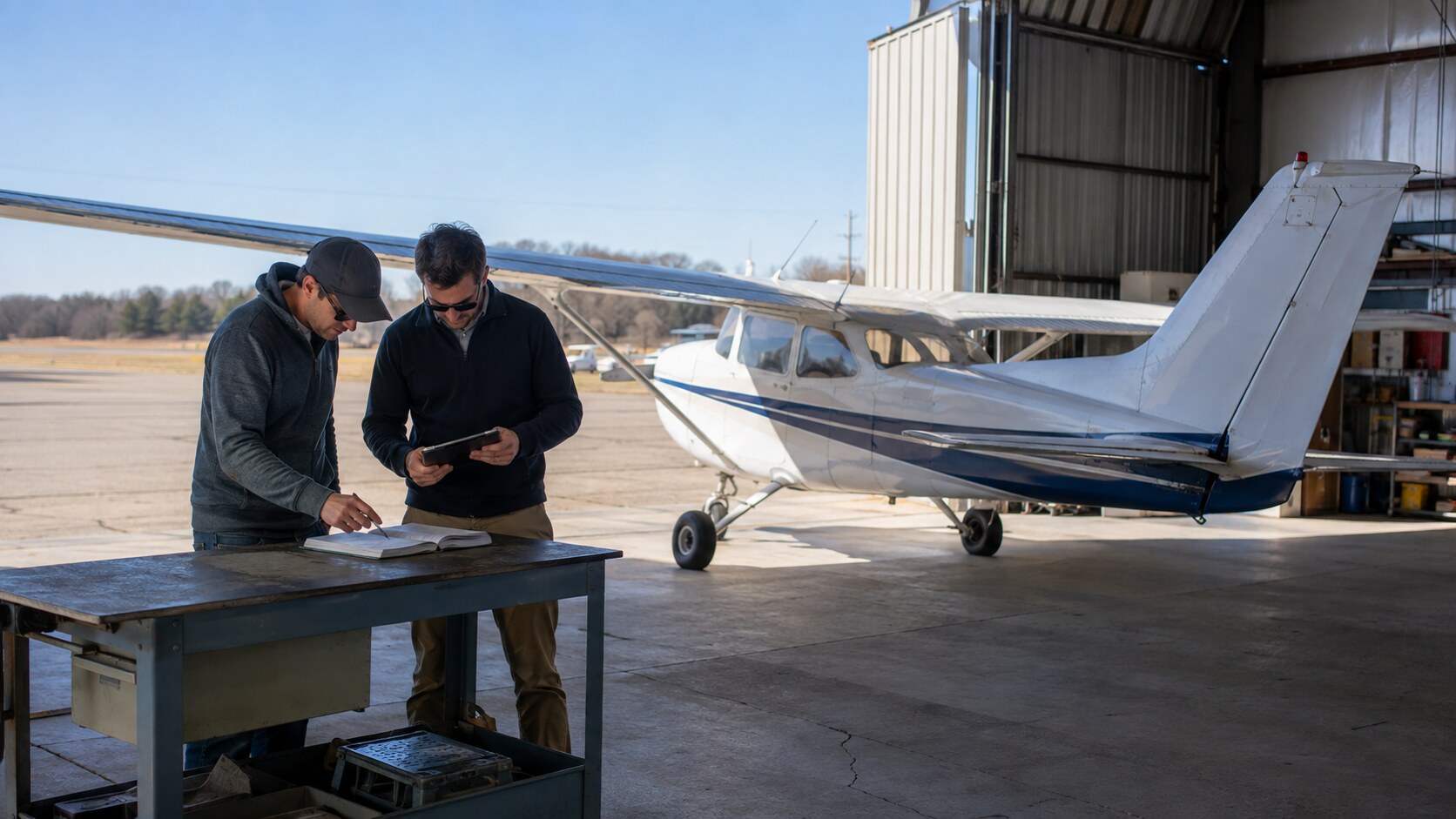
Time building is not only about adding more hours to your logbook. It is also an opportunity to review your experience, observe your progress, and plan future flights with a clear purpose.
A simple tracking routine can help you keep your flight records organized and understand how your experience develops over time.
Record Each Flight Promptly
Complete your logbook entry soon after every flight while the details are still fresh. Waiting too long can make it difficult to remember important information accurately.
Record the flight using the format required by your logbook. Before finishing the entry, check details such as the date, aircraft, route, flight duration, and type of experience recorded.
If another pilot or instructor participated in the flight, confirm that everyone understands how the time will be documented.
Keep Your Entries Consistent
Consistency makes your logbook easier to review. Use the same abbreviations, date format, and aircraft identification style throughout your records.
Write a short and useful description of each flight. Instead of adding unnecessary detail, mention information that will help you remember the purpose of the flight, such as:
- Cross-country practice
- Night flying
- Navigation practice
- Weather experience
- Takeoff and landing practice
- Familiarization with a different aircraft
Clear notes make it easier to see how your time-building flights contribute to your overall experience.
Use a Paper or Digital Logbook
Flight hours can be tracked in a traditional paper logbook, a digital logbook, or both. The best option is the one you can maintain accurately and consistently.
Paper logbooks are simple and easy to carry. Digital logbooks can make it easier to calculate totals, search previous flights, and review experience by aircraft or flight type.
If you use a digital system, keep a backup of your records. If you use a paper logbook, consider storing a scanned copy in a secure location. A backup can be valuable if the original record is lost or damaged.
Review Your Totals Regularly
Do not wait until the end of your time-building period to review your flight hours. Check your totals regularly so you can identify missing information or calculation errors early.
You can also group your experience into useful categories, such as:
- Total flight time
- Pilot-in-command time
- Cross-country time
- Night time
- Instrument experience
- Time in different aircraft
Only record time in a category when it applies to the flight. If you are uncertain about how a flight should be logged, ask a qualified instructor or the relevant aviation authority.
Track More Than the Number of Hours
Your total flight time is important, but the number alone does not show everything you gained from each flight.
Keep brief notes about the routes you flew, aircraft you used, weather conditions you encountered, and skills you practised. These notes can help you recognize which areas you have experienced often and which areas may need more attention.
This approach can make future time-building flights more purposeful instead of repeating the same route without a clear objective.
Plan Your Next Flights Using Your Records
Reviewing your logbook can help you decide what to practise next. For example, you may notice that most of your recent flights used the same aircraft or followed similar routes.
You can then discuss future goals with a flight instructor and plan flights that offer a broader range of appropriate experience.
Every flight should still be planned according to your qualifications, current abilities, aircraft limitations, weather, and applicable rules.
Final Thoughts
Accurate record keeping is an important part of time building. Complete each entry promptly, use a consistent format, review your totals, and keep a secure backup.
A well-organized logbook does more than track pilot flight hours. It provides a clear record of your development and helps you make more thoughtful decisions about future flights.
Related Articles
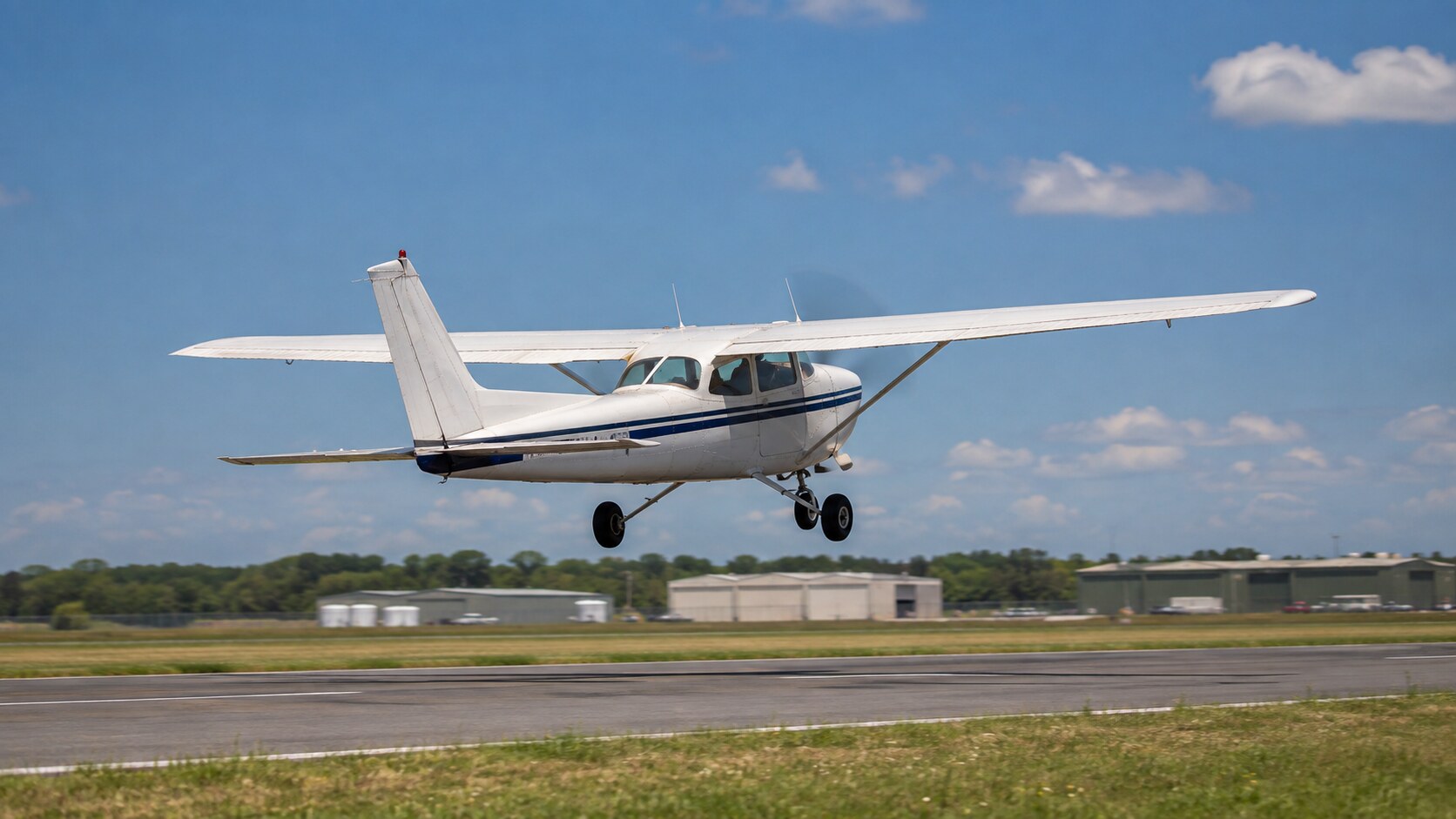
Beyond Logging Hours: How to Make Every Time-Building Flight More Valuable
Discover how clear goals, thoughtful planning, varied routes, and postflight reflection can make each time-building flight more valuable.
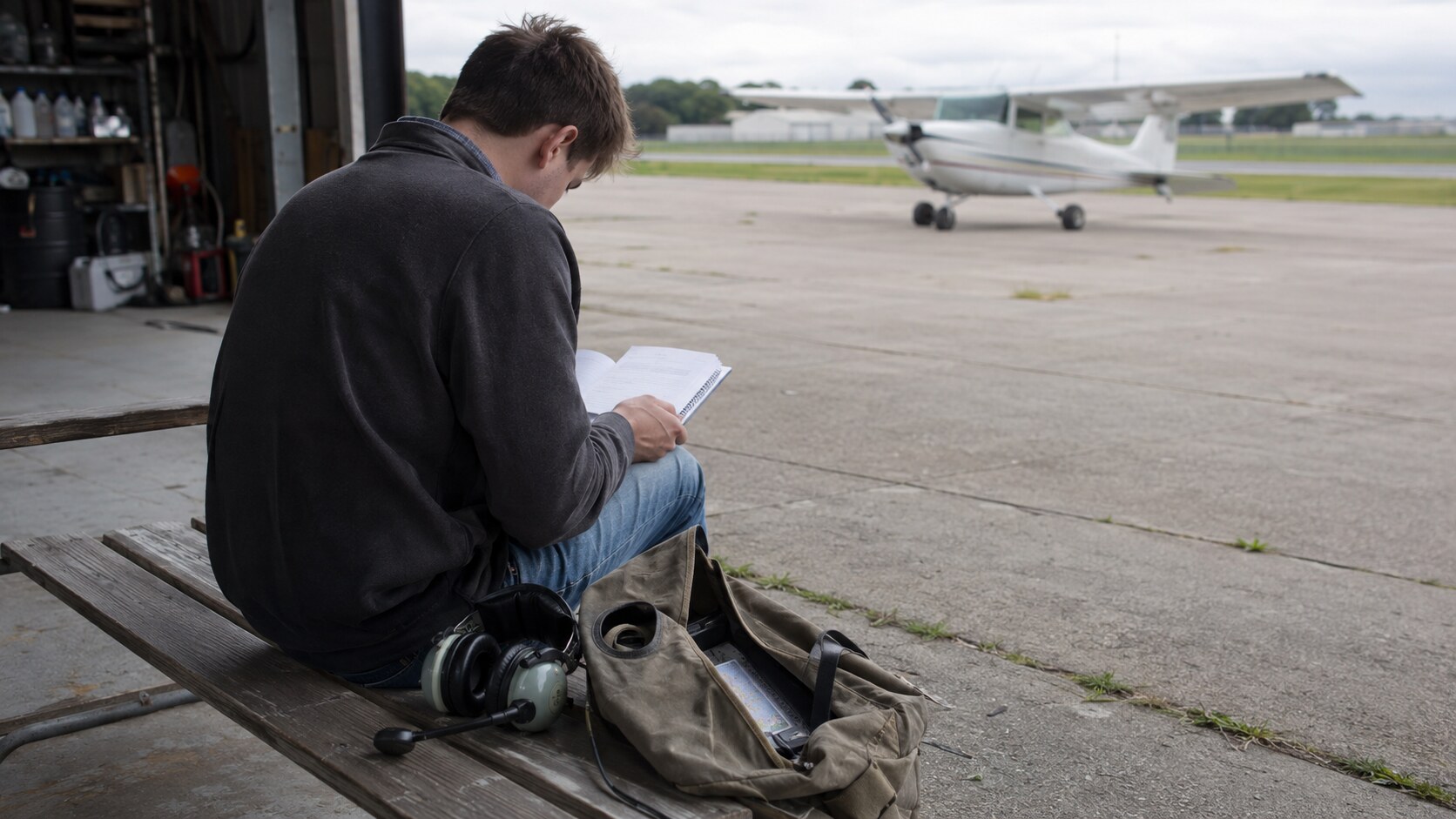
Student Pilot Checklist: What to Bring to Every Flight Lesson
A practical checklist covering the documents, equipment, planning tools, and personal essentials every student pilot should bring to a flight lesson.