
How Student Pilots Can Prepare for Their First Cross-Country Flight
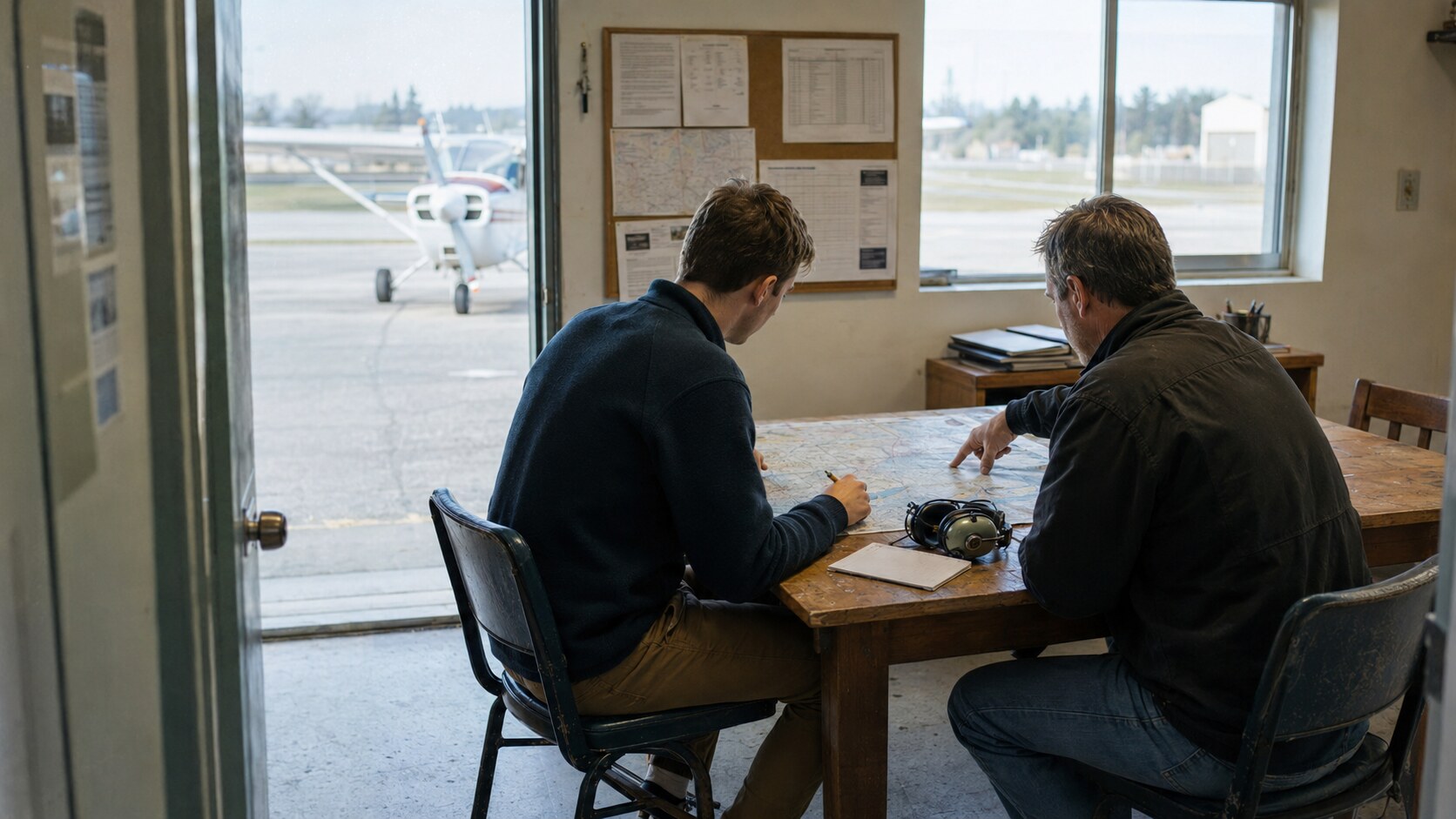
A first cross-country flight is an important stage in flight training. It gives a student pilot the opportunity to combine navigation, weather assessment, communication, and decision-making during one complete flight.
The experience may feel challenging at first, but careful preparation can make it more manageable. The goal is not to create a perfect plan without help. It is to work with your flight instructor and understand each part of the flight before departure.
Understand the Route
Begin by reviewing the planned route with your instructor. Identify the departure airport, destination, major landmarks, airspace, and any suitable alternate options.
Make sure you understand how you will follow your progress during the flight. Depending on your training and available equipment, this may involve charts, navigation notes, onboard systems, or an electronic flight bag.
Avoid relying on only one source of navigation. Ask your instructor what backup method you should be prepared to use.
Review the Weather Carefully
Weather can affect the route, flight time, visibility, and whether the flight should take place at all.
Review the available weather information with your instructor and discuss how the conditions may change during the flight. Focus on understanding what the information means for your route rather than simply collecting weather reports.
If the conditions are unsuitable, delaying or changing the flight is part of responsible planning.
Learn About the Destination Airport
A destination airport may have a different runway layout, traffic pattern, communication procedure, or surrounding terrain from your home airport.
Before the flight, review the airport information and locate important areas on the diagram. Think through how you will approach, land, taxi, park, and depart.
Knowing what to expect can reduce your workload when you arrive in an unfamiliar environment.
Prepare the Aircraft and Flight Plan
Work with your instructor to review the aircraft’s condition and the information needed for the planned flight.
This may include expected flight time, fuel planning, aircraft performance, and loading. Use the appropriate information for the specific aircraft rather than depending on general estimates.
Check that the documents and equipment required for your flight are available. Your instructor can help you confirm what should be carried.
Think About Alternative Plans
A cross-country plan may need to change because of weather, airport conditions, or another unexpected situation.
Discuss possible alternatives with your instructor before departure. Consider what you would do if the destination became unsuitable or if you needed to change the route.
Thinking through a few realistic alternatives can make decision-making feel less stressful during the flight.
Complete a Final Briefing
Before leaving, review the complete plan with your flight instructor. Ask questions about any part you do not fully understand.
If the flight will be conducted solo, confirm that you have completed the necessary training and received any approvals required by the rules that apply to you.
Do not treat the instructor’s review as a formality. It is an opportunity to identify missing information and confirm that both you and the plan are ready.
Prepare Yourself as Well
Flight preparation is not limited to the aircraft and route. Consider whether you are rested, focused, comfortable with the conditions, and ready for the planned flight.
Bring the equipment you normally use during training and organize it before entering the cockpit. Keeping charts, notes, checklists, and other tools in familiar locations can reduce unnecessary distraction.
Final Thoughts
A first cross-country flight brings several skills together, but you do not need to approach it alone. Prepare the route, review the weather, learn about the destination, consider alternatives, and discuss the complete plan with your instructor.
For a student pilot, the value of the flight comes from learning how to plan carefully and make thoughtful decisions. Good preparation can help turn an unfamiliar journey into a clear and manageable training experience.
Related Articles
Beyond Logging Hours: How to Make Every Time-Building Flight More Valuable
Discover how clear goals, thoughtful planning, varied routes, and postflight reflection can make each time-building flight more valuable.
Student Pilot Checklist: What to Bring to Every Flight Lesson
A practical checklist covering the documents, equipment, planning tools, and personal essentials every student pilot should bring to a flight lesson.