
From First Lesson to First Solo: A Student Pilot’s Journey
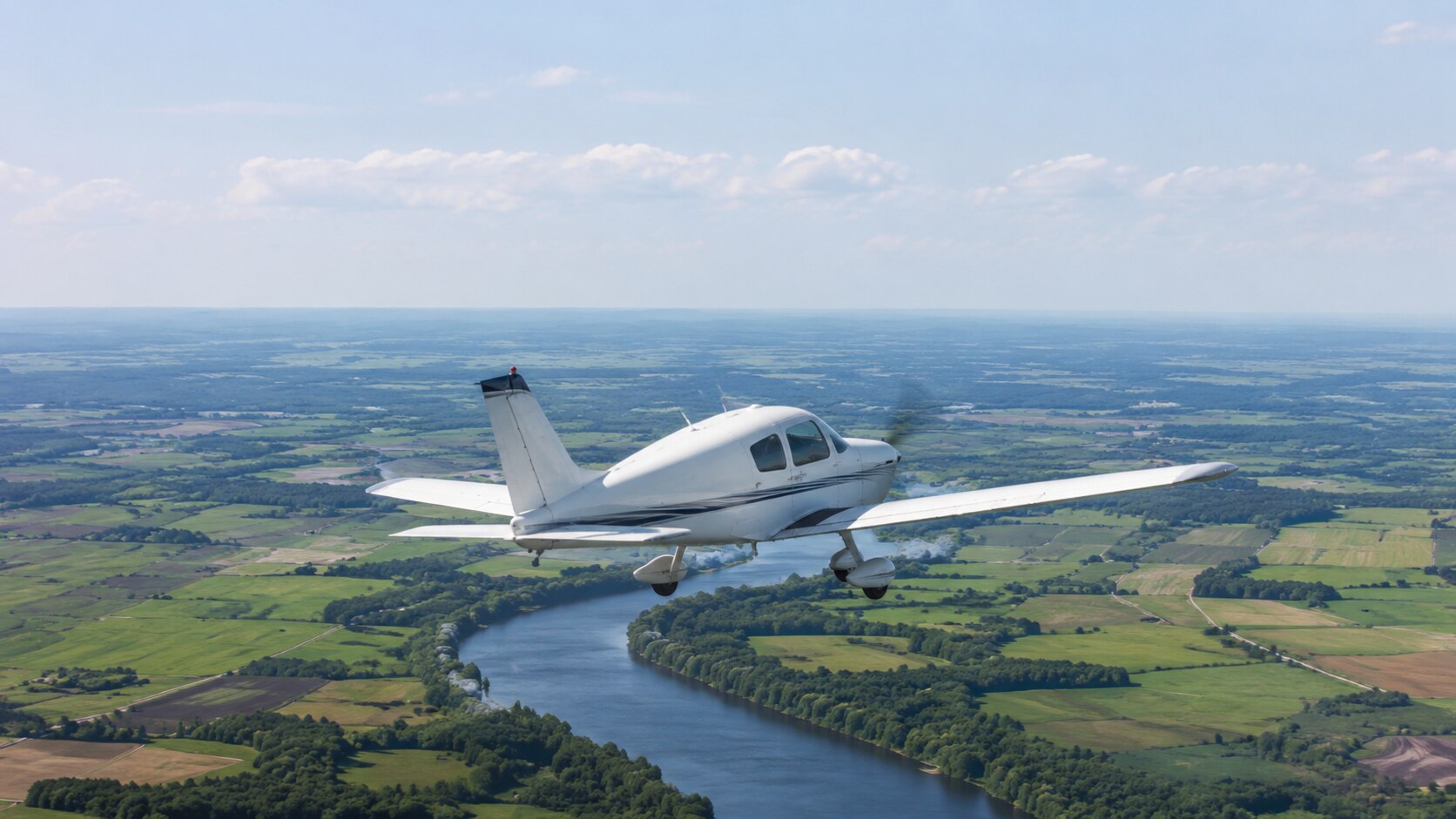
Every pilot remembers the first time they sat in the cockpit as a student. The instruments looked unfamiliar, radio calls sounded fast, and even simple procedures required complete attention. Yet that first lesson marked the beginning of a journey toward one of aviation’s most unforgettable milestones: the first solo flight.
The path from the first lesson to the first solo is different for every student pilot. Some students progress quickly, while others need more time to feel comfortable. What matters is not speed, but building the skills and judgment needed to fly safely and independently.
The First Time at the Controls
During an early flight lesson, the instructor usually introduces the aircraft, basic cockpit procedures, and the effects of the flight controls. For a new student, listening to the instructor, watching the instruments, and looking outside at the same time can initially feel overwhelming.
With practice, these separate tasks begin to connect. The student becomes more comfortable maintaining direction and altitude, following checklists, and understanding what the aircraft is doing. Actions that once required intense concentration gradually begin to feel more natural.
This is often the first sign of real progress: the student is no longer simply reacting to instructions but is beginning to understand the purpose behind each action.
Learning Through Imperfect Flights
Not every training flight feels successful. A landing may be firmer than expected, a radio call may be missed, or a maneuver may need to be repeated several times.
These moments are a normal part of learning. Flight training is not about performing every task perfectly from the beginning. It is about recognizing mistakes, understanding why they happened, and applying the lesson during the next flight.
A supportive flight instructor helps the student view mistakes as useful feedback rather than personal failure. Over time, the student becomes more patient, observant, and confident in the cockpit.
Becoming More Independent
As training continues, the instructor gradually provides less assistance. The student begins completing checklists, making radio calls, managing the traffic pattern, and correcting small errors with fewer reminders.
This growing independence may not feel dramatic from one lesson to the next. It often appears through small changes: noticing an altitude deviation earlier, preparing for the next radio call, or choosing to go around without waiting for the instructor to suggest it.
These decisions show that the student is developing more than aircraft-control skills. They are also building awareness and judgment—qualities that become especially important when flying alone.
Preparing for the First Solo
The first solo is not scheduled simply because a student has completed a certain number of hours. The instructor must see consistent performance, safe decision-making, and an ability to manage the expected conditions without assistance.
Before the solo, the student and instructor review the flight plan, weather, procedures, personal limits, and possible changes that could occur. Feeling nervous is common, but the student should still be able to focus and make clear decisions.
When the instructor steps out of the aircraft, the cockpit may suddenly feel quieter and more spacious. Yet the student is not starting from the beginning. Every lesson, correction, checklist, and repeated landing has prepared them for that moment.
A Milestone, Not the Finish Line
Completing a first solo flight is a major achievement, but it is only one stage of flight training. The student will continue developing navigation skills, practicing different conditions, and preparing for future certificates or ratings.
The experience often changes how students view themselves. They return to the ground knowing that they operated the aircraft independently and made the necessary decisions to complete the flight safely.
For every student pilot, the journey from the first lesson to the first solo is built through preparation, repetition, and trust. Progress may not always be immediate, but each lesson contributes to the confidence and judgment required to become a pilot.
Continue Your Aviation Journey with Skye
Skye brings students, pilots, instructors, and other members of the aviation community together. Building the right connections can help student pilots explore training opportunities and continue moving toward their aviation goals.
Related Articles
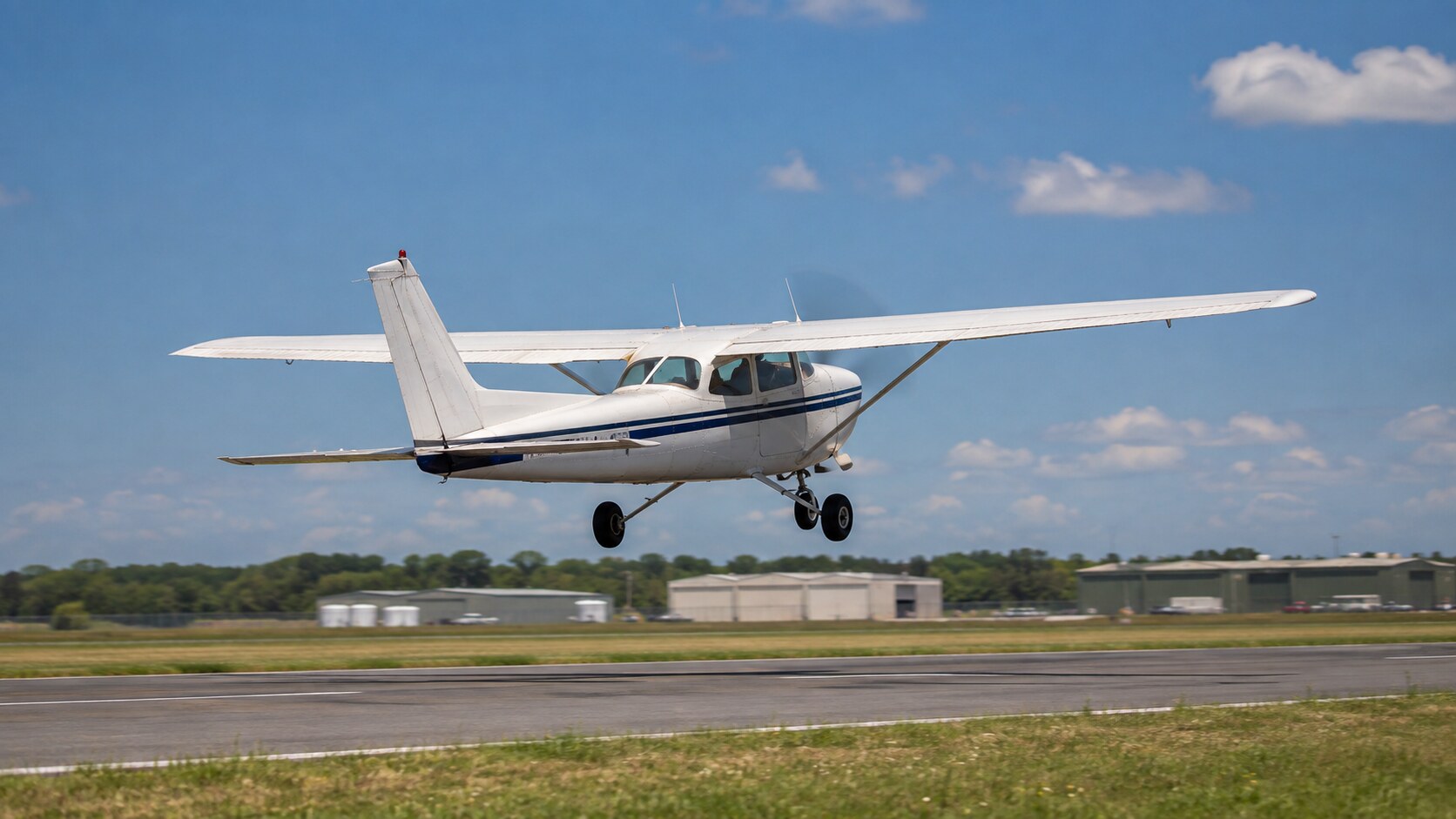
Beyond Logging Hours: How to Make Every Time-Building Flight More Valuable
Discover how clear goals, thoughtful planning, varied routes, and postflight reflection can make each time-building flight more valuable.
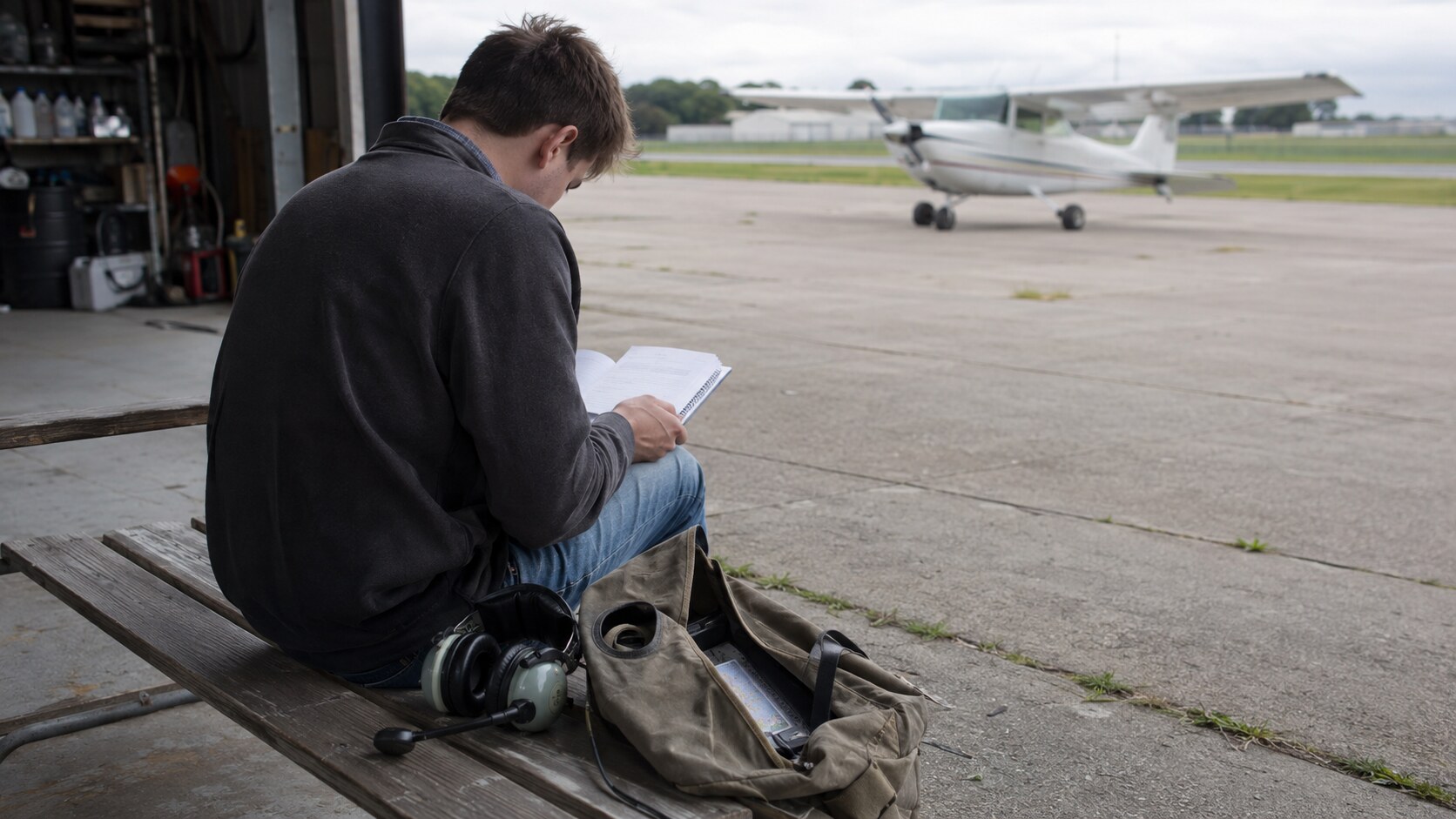
Student Pilot Checklist: What to Bring to Every Flight Lesson
A practical checklist covering the documents, equipment, planning tools, and personal essentials every student pilot should bring to a flight lesson.