
4 Things Student Pilots Often Overlook When Choosing a Flight School
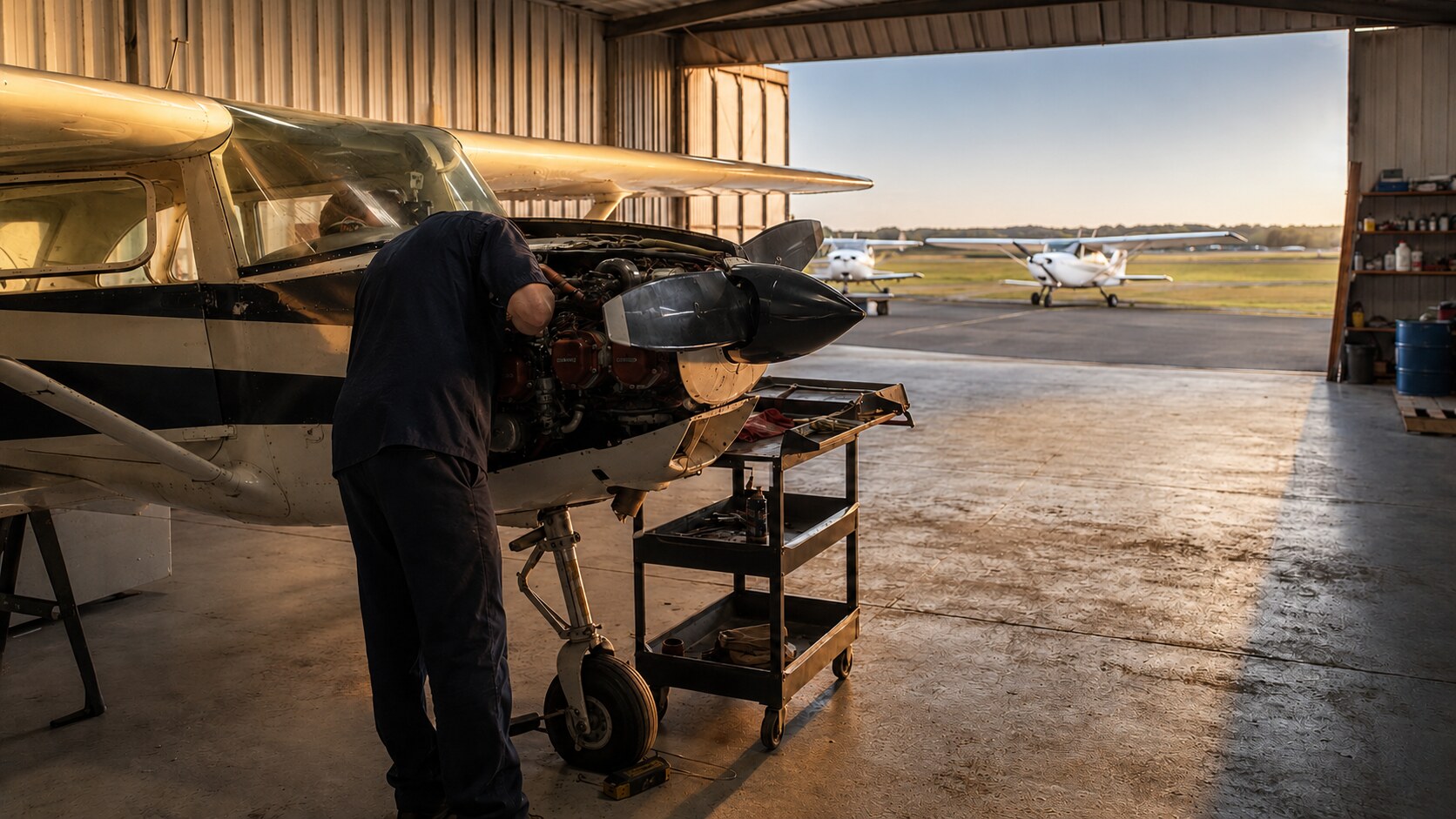
Choosing a flight school is an important step in a pilot’s training journey. Location, aircraft, facilities, and advertised prices can help you compare schools, but they do not always show what the everyday training experience will be like.
Before enrolling, every student pilot should look beyond the promotional materials and ask how the school manages aircraft, instructors, scheduling, and training costs.
1. Aircraft Availability
A school may have several aircraft, but the important question is whether suitable aircraft are normally available when you want to train.
Ask which aircraft students usually use, how reservations are managed, and what happens when an aircraft is unavailable. You can also ask whether the training aircraft have similar instruments and equipment.
The goal is not to find a school that promises there will never be a cancellation. Weather, maintenance, and other operational factors can affect any flight schedule. Instead, look for a school that explains its availability and rescheduling process clearly.
2. Instructor Continuity
Some schools assign a primary flight instructor, while others allow students to train with several instructors. Either approach may be suitable, depending on how the school organizes the training.
Ask who will normally teach you and how your progress will be recorded if another instructor takes over a lesson. A clear training record can help instructors understand what you have already covered and what needs more practice.
An introductory meeting or flight can also help you evaluate whether an instructor communicates clearly and makes you comfortable asking questions.
3. Scheduling Rules
Your training schedule should be realistic for both you and the school. Before enrolling, ask when lessons are available and how far in advance they usually need to be reserved.
Review the school’s cancellation and rescheduling policies as well. Find out how the school communicates changes caused by weather, aircraft availability, or instructor availability.
Do not assume that the schedule shown during your first visit will always remain the same. Ask how the booking process works during busy periods and whether the available lesson times match your regular schedule.
4. Estimated Training Cost
An advertised hourly rate is only one part of the training cost. Ask the school to explain what is included in its estimate and which services or materials are charged separately.
The total cost cannot always be predicted exactly because each student may progress at a different pace. For this reason, treat estimates as planning information rather than a guaranteed final price.
Before making a payment, read the school’s written terms and ask for clarification about anything you do not understand.
Visit Before You Decide
If possible, visit the flight school before enrolling. Observe the training environment and speak with the staff, instructors, and current students. This can give you a clearer impression of the school’s communication and organization.
Prepare a few practical questions and compare the answers from different schools. Clear explanations are often more useful than impressive facilities or promotional claims.
Final Thoughts
The right flight school should suit your goals, schedule, preferred learning environment, and budget. No single detail can determine whether a school is the best choice.
As a student pilot, reviewing aircraft availability, instructor arrangements, scheduling rules, and estimated costs can help you make a more informed decision before beginning your training.
Related Articles

Beyond Logging Hours: How to Make Every Time-Building Flight More Valuable
Discover how clear goals, thoughtful planning, varied routes, and postflight reflection can make each time-building flight more valuable.
Student Pilot Checklist: What to Bring to Every Flight Lesson
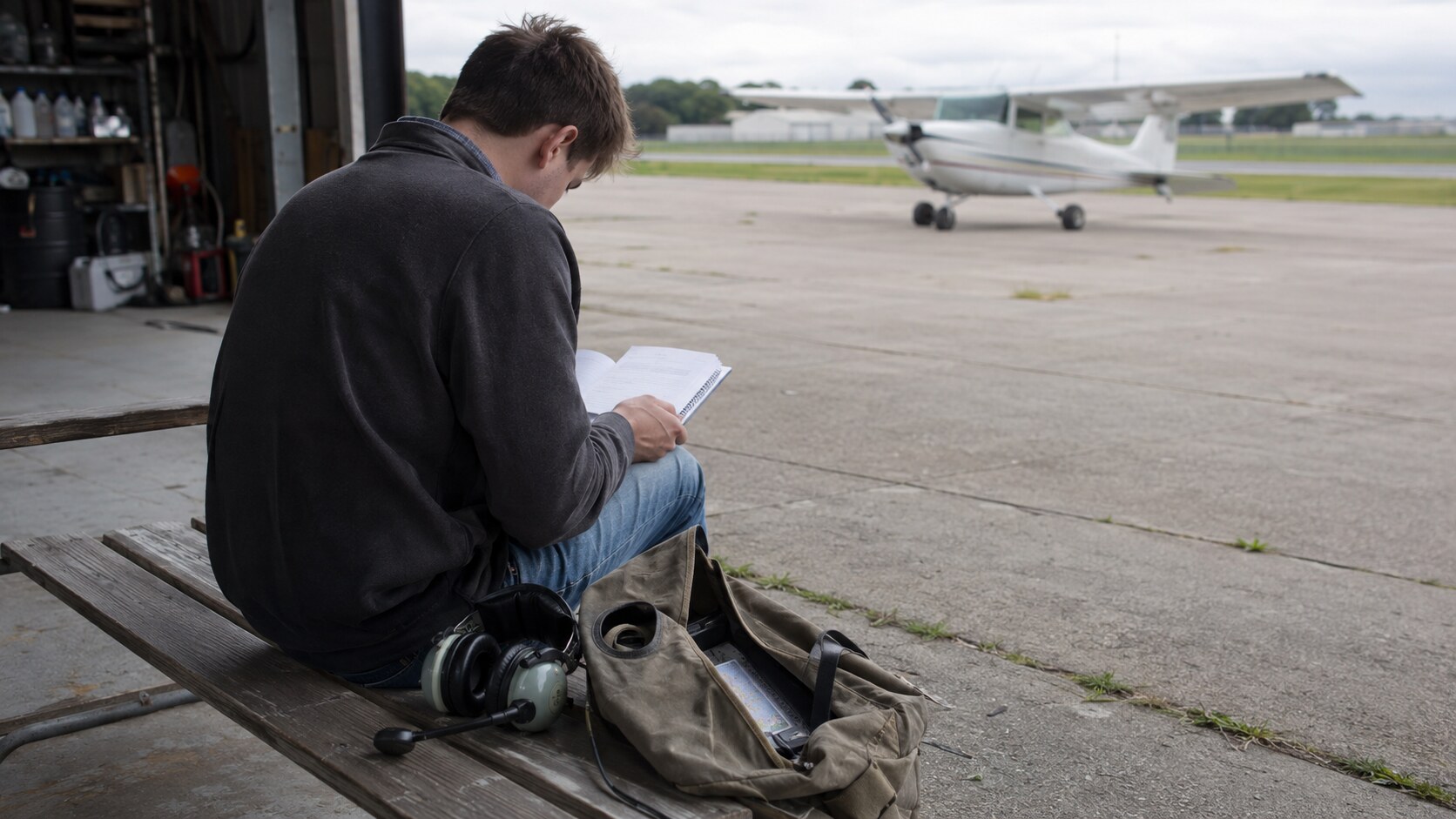
A practical checklist covering the documents, equipment, planning tools, and personal essentials every student pilot should bring to a flight lesson.