
Where Can You Fly With a Private Pilot Certificate? A Practical Guide
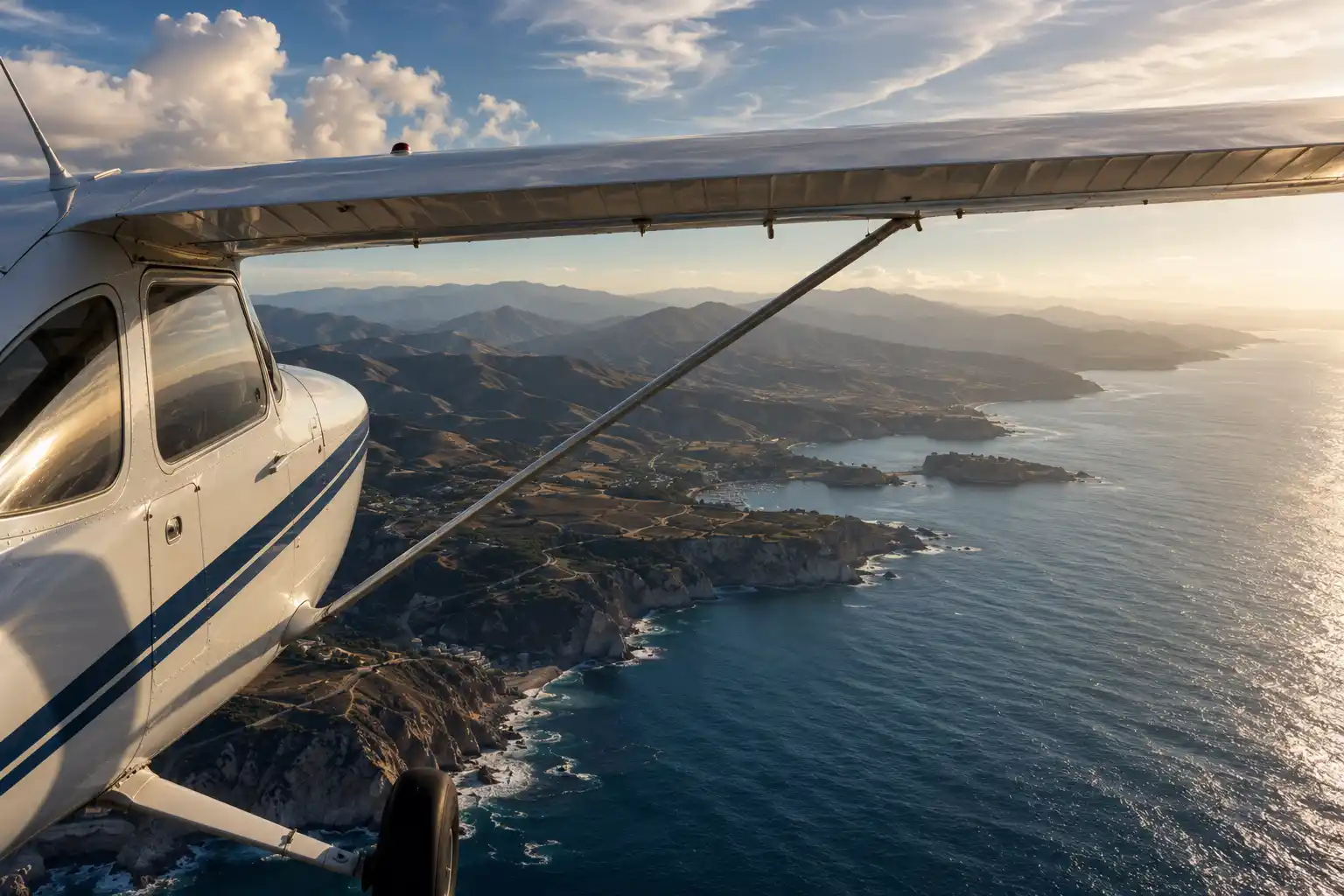
Earning a private pilot certificate (often called a PPL) is a major milestone. It lets you fly for yourself and share the experience with friends and family—not for hire. Many new pilots wonder exactly where they can fly, what rules apply, and how this certificate fits into a longer aviation career.
This guide focuses on the United States (FAA) framework—the same world most Skye members train and fly in. It is general education, not legal advice; always follow your POH, regulations, and instructor guidance.
How long does private pilot training take?
Training length varies by schedule, weather, and aptitude. FAA minimums are lower than what most people need to feel ready; many students finish with roughly 60–80 hours of flight time before a checkride, sometimes more.
Typical building blocks include:
- Ground knowledge: regulations, weather, navigation, aerodynamics, and risk management
- Flight lessons: maneuvers, takeoffs and landings, slow flight, emergencies, cross-country planning
- Simulator or training devices: procedures and scenario practice when useful
With consistent lessons, many students reach a certificate in about 6–12 months; part-time schedules can take longer. The goal is safe habit formation, not racing the clock.
Private pilot vs airline transport path (ATP)
People often compare “private flying” with “airline flying.” In the U.S., the career endpoint for airlines is the ATP (Airline Transport Pilot) certificate—not the European “ATPL” label, though the ideas are similar.
| Topic | Private pilot | ATP (airline path) |
|---|---|---|
| Typical purpose | Personal, recreational, and skill-building flying | Professional airline and many commercial operations |
| Compensation | Generally not for hire (with narrow exceptions and extra rules) | Built for compensated commercial operations when qualified |
| Experience level | First major certificate; tens of hours to certificate | Far higher experience (e.g. 1,500 hours for ATP in many cases) |
| IFR / clouds | VFR by default; instrument rating is a separate add-on | Instrument proficiency is central to the career path |
| Timeline | Often months to a year or more | Often years of training and building time |
A private certificate is a foundation. Commercial, instrument, multi-engine, and instructor ratings are separate steps if you pursue a professional career.
Where can you fly with a private pilot certificate?
Most new private pilots operate under VFR (visual flight rules): you maintain visual reference to the ground and stay clear of clouds per the rules you learned. That still leaves a wide world of flying—as long as you respect airspace, weather, and aircraft limitations.
Common missions include:
- Local practice: pattern work and maneuvers near your home airport
- Cross-country flights: airport-to-airport trips with proper planning, fuel, and alternates
- Recreational destinations: coastlines, mountains (with training and density-altitude awareness), fly-ins, and visits to friends
- Public-use airports: many towered and non-towered fields, with correct radio and procedures
- Flying clubs and flight schools: rental or club aircraft per agreement and checkout requirements
What private pilots cannot do without additional certificates, endorsements, or operating rules includes carrying passengers or cargo for compensation or hire, flying most commercial airline-style operations, and flying IFR in IMC without an instrument rating and valid IFR clearance. Night flying requires meeting night currency rules; many students earn night privileges during training—ask your CFI how your logbook reflects that.
Example VFR cross-country ideas (U.S.)
Always file or open a flight plan as you were taught, check weather and NOTAMs, and know airspace along the route. Examples pilots use for building skill and confidence:
- Florida coast hop: short legs along the coast with careful marine layer and convective weather awareness in summer
- Training region tour: several airports within an hour of your base—great for radio and pattern practice at new fields
- Mountain checkout required: any high-terrain route only after proper training—never treat mountains like flatland flying
- Fly-in events: structured arrivals with published procedures and high traffic
Special use airspace, TFRs, and stadium rules can appear with little notice. Apps and briefings help; compliance is always the pilot’s responsibility.
Activities private pilots enjoy
- Introductory flights for friends and family (within sharing-of-expense rules you learned)
- Photography and sightseeing in good VFR conditions
- Building hours toward instrument, commercial, or instructor goals
- Joining a community of pilots for safety and shared learning
Airspace and safety habits every private pilot should keep
- Know Class B, C, D, E, and G basics and when to talk to ATC
- Use personal minimums stricter than legal minimums when you are new
- Plan fuel, alternates, and escape routes on every cross-country
- Stay proficient with radios, checkpoints, and diversion practice
- Never pressure yourself into “go” when weather, fatigue, or aircraft issues say “no”
Tools that support safer VFR flying
Legal requirements aside, many pilots use:
- Approved or portable navigation and weather tools
- EFB apps with charts and briefings
- Headsets and intercoms for clear communication
- Flight following when available for an extra set of eyes
Equipment does not replace training; it supports good decisions.
Tips while you are working toward—or just earned—your certificate
- Fly regularly enough to retain muscle memory
- Debrief every lesson with your CFI: one strength, one fix, one goal for next time
- Match your next rating to your goal (instrument for IFR, commercial only if you understand the privileges)
- Build a trusted network of instructors and pilots—not just social media noise
Frequently asked questions
What aircraft can I fly?
Your certificate is tied to category and class (for example, airplane single-engine land). Complex, high-performance, tailwheel, or multi-engine flying usually requires additional training and logbook endorsements.
Is training hard?
It is demanding but achievable with consistency. Ground study and flight practice reinforce each other.
Can I fly at night?
Many private pilots are trained for night VFR; you must meet currency requirements and personal minimums. Confirm what your certificate and training cover with your CFI.
Can I fly internationally?
Sometimes, with correct documentation, overflight/landing permissions, and insurance. Rules differ by country; plan well in advance.
Next step on your journey
Knowing where you can fly is only part of the picture. You still need solid training, a good instructor, and—later—opportunities to build time safely with other pilots.
When you are ready, you can find flight instructors on Skye, explore time-building and safety-pilot opportunities, and connect with pilots who share your goals. The certificate opens the door; community and discipline keep you flying for years.
Related Articles
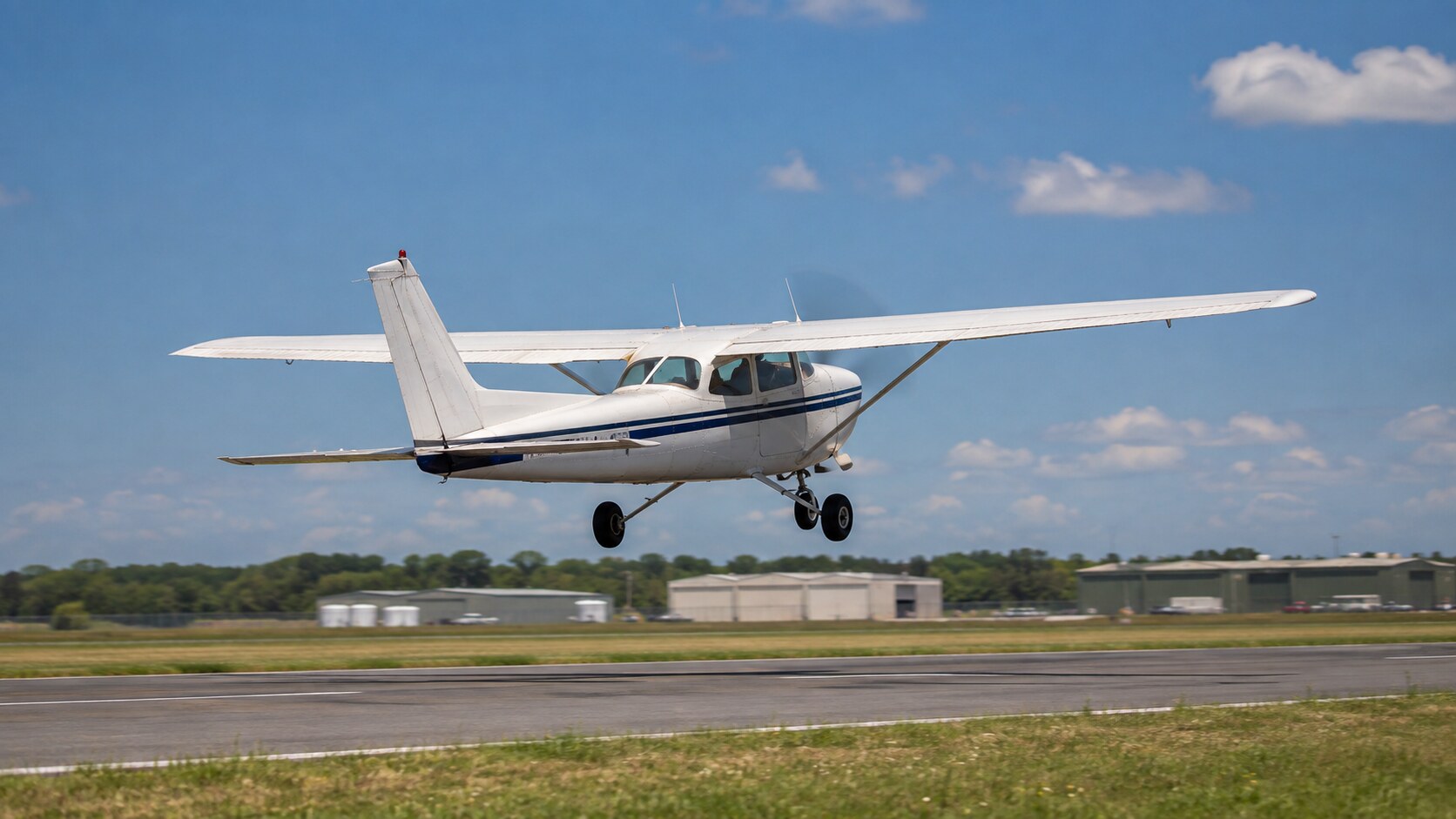
Beyond Logging Hours: How to Make Every Time-Building Flight More Valuable
Discover how clear goals, thoughtful planning, varied routes, and postflight reflection can make each time-building flight more valuable.
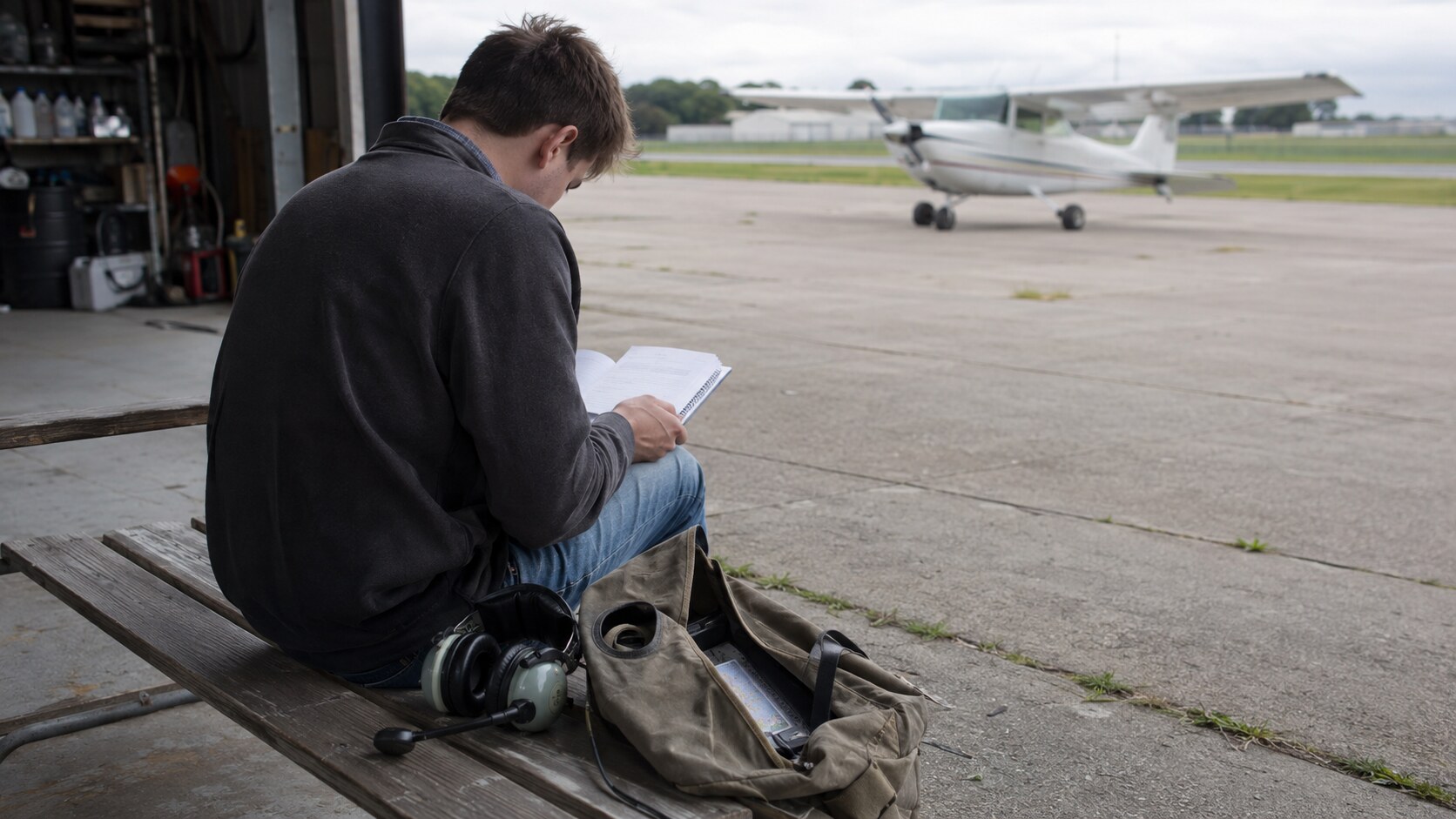
Student Pilot Checklist: What to Bring to Every Flight Lesson
A practical checklist covering the documents, equipment, planning tools, and personal essentials every student pilot should bring to a flight lesson.